Amplifiers
Our multi-channel and subwoofer amplifiers are built for those who want more from factory and aftermarket sound systems. Engineered in-house with flexible routing Class D amplification, expect serious power and performance—all housed in a sleek, one-piece chassis.

Showing 28 products
-
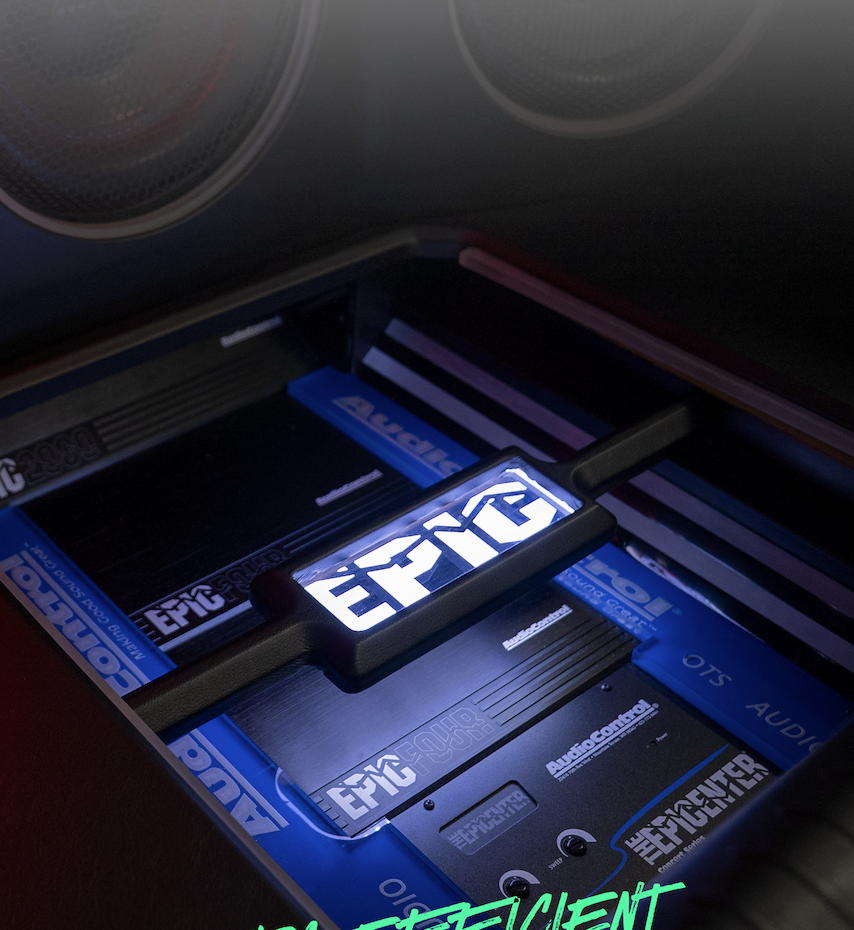
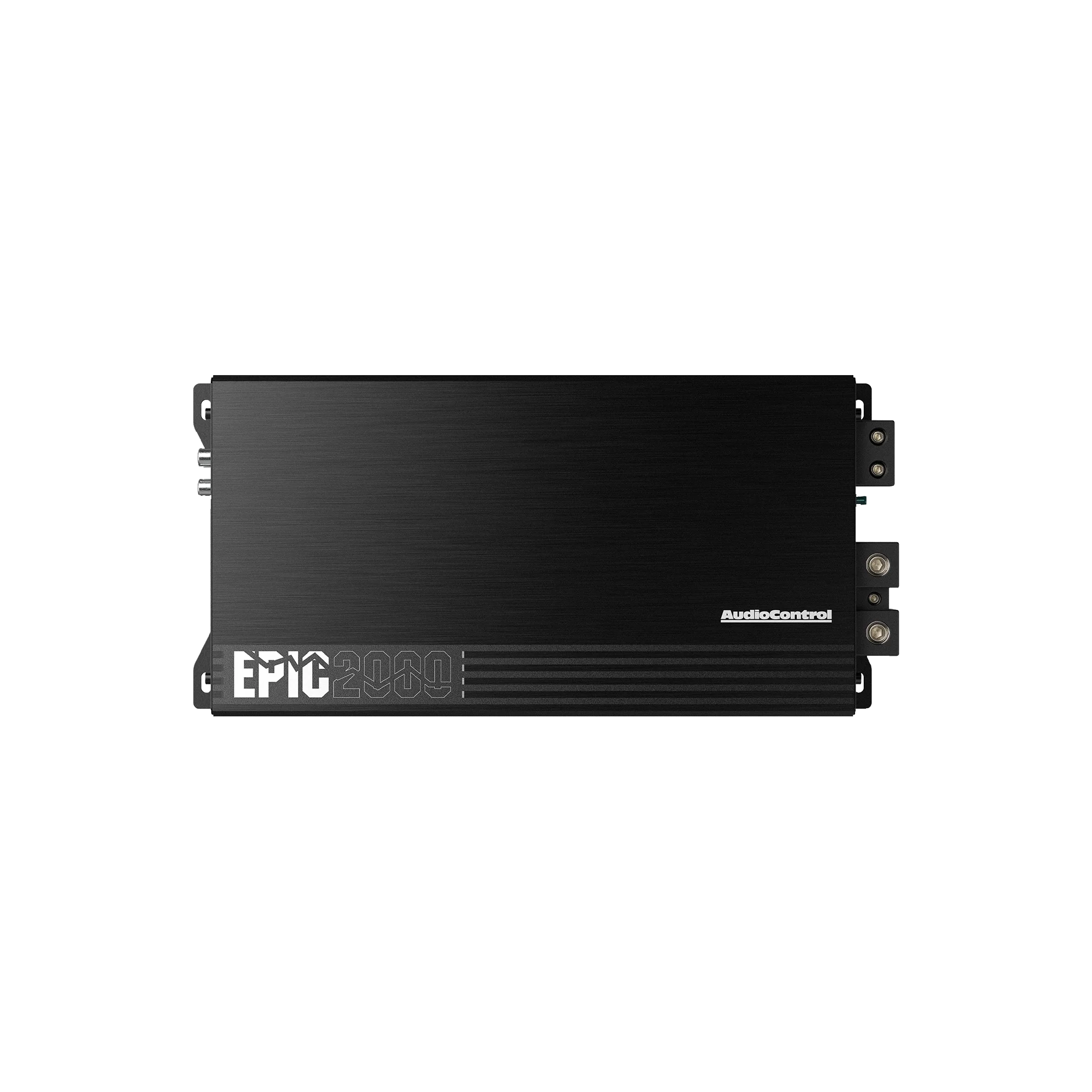
EPIC2000 - 2000W OF PURE POWER
The EPIC Amplifier delivers powerful, heart-pounding bass in a compact, thermally efficient design. Perfectly...
Shop Now$349.00
-
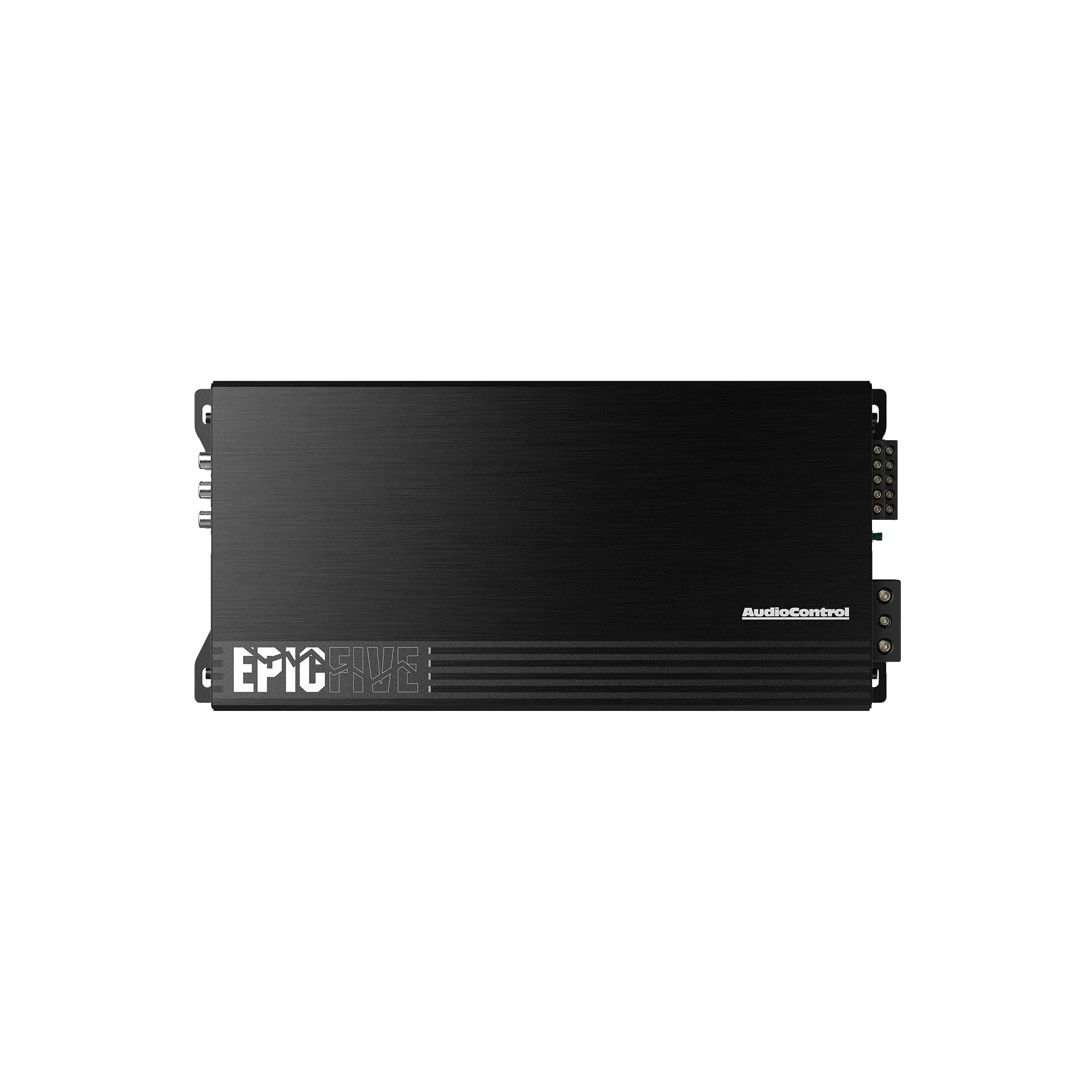
EPICFIVE 5-Channel Amplifier, 1100W RMS
The AudioControl EPIC Series 5-Channel Amplifier delivers top-quality sound in a compact, thermally efficient...
$259.00
0 (0) -
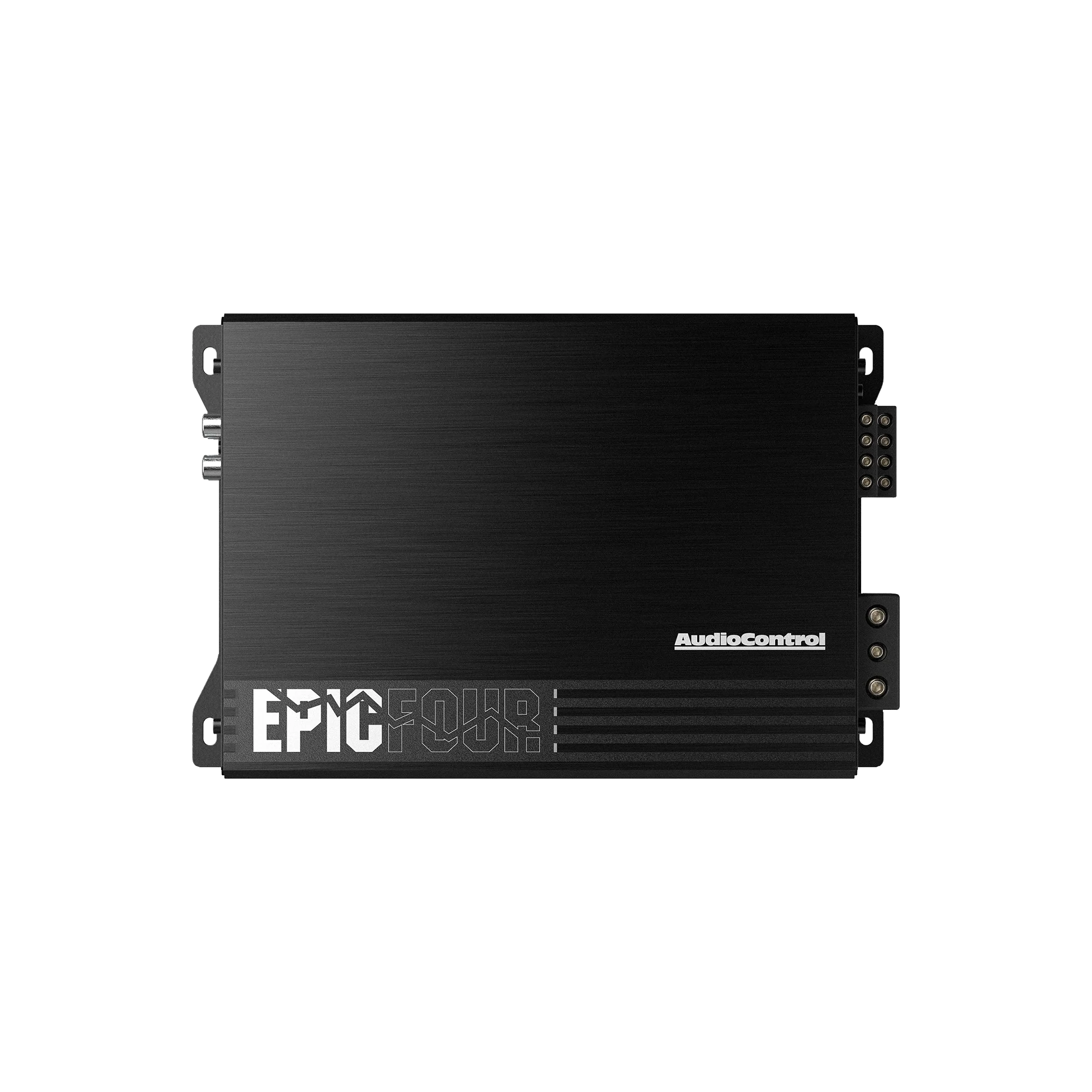
EPICFOUR 4-Channel Amplifier, 800W RMS
The AudioControl EPIC Series 4-Channel Amplifier delivers top-quality sound in a compact, thermally efficient...
$199.00
4 (1) -
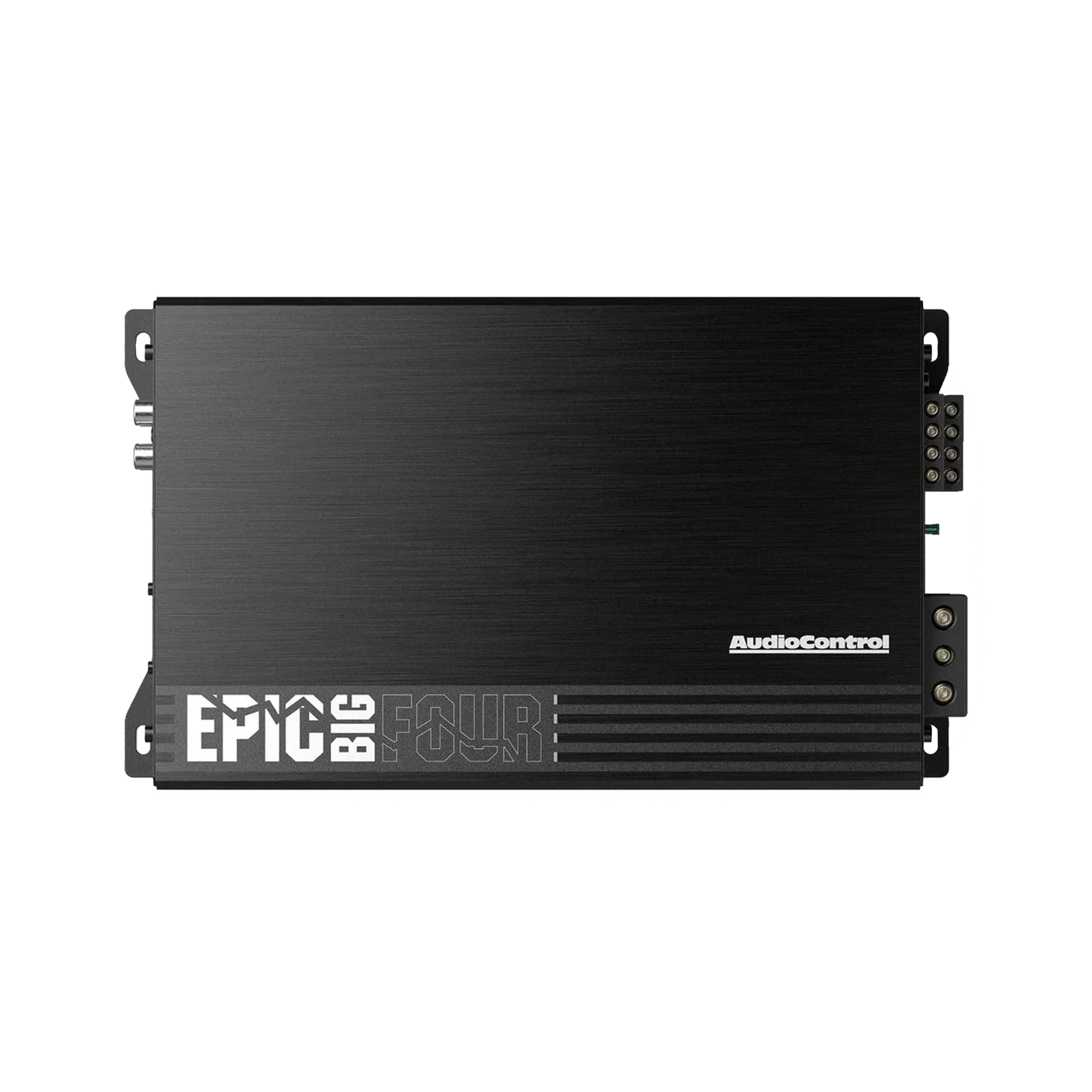
EPICBIGFOUR 4-Channel Amplifier, 1400W RMS
The AudioControl EPIC Series 4-Channel Amplifier delivers top-quality sound in a compact, thermally efficient...
$239.00
5 (1) -

EPIC4000 Monoblock Competition Amplifier, 4000W RMS
The EPIC4000 is the definitive engine for competition-grade audio.
$509.00
5 (1) -
EPIC2000 Monoblock Amplifier, 2000W RMS
The EPIC Amplifier delivers powerful, heart-pounding bass in a compact, thermally efficient design. Perfectly...
$349.00
5 (2) -
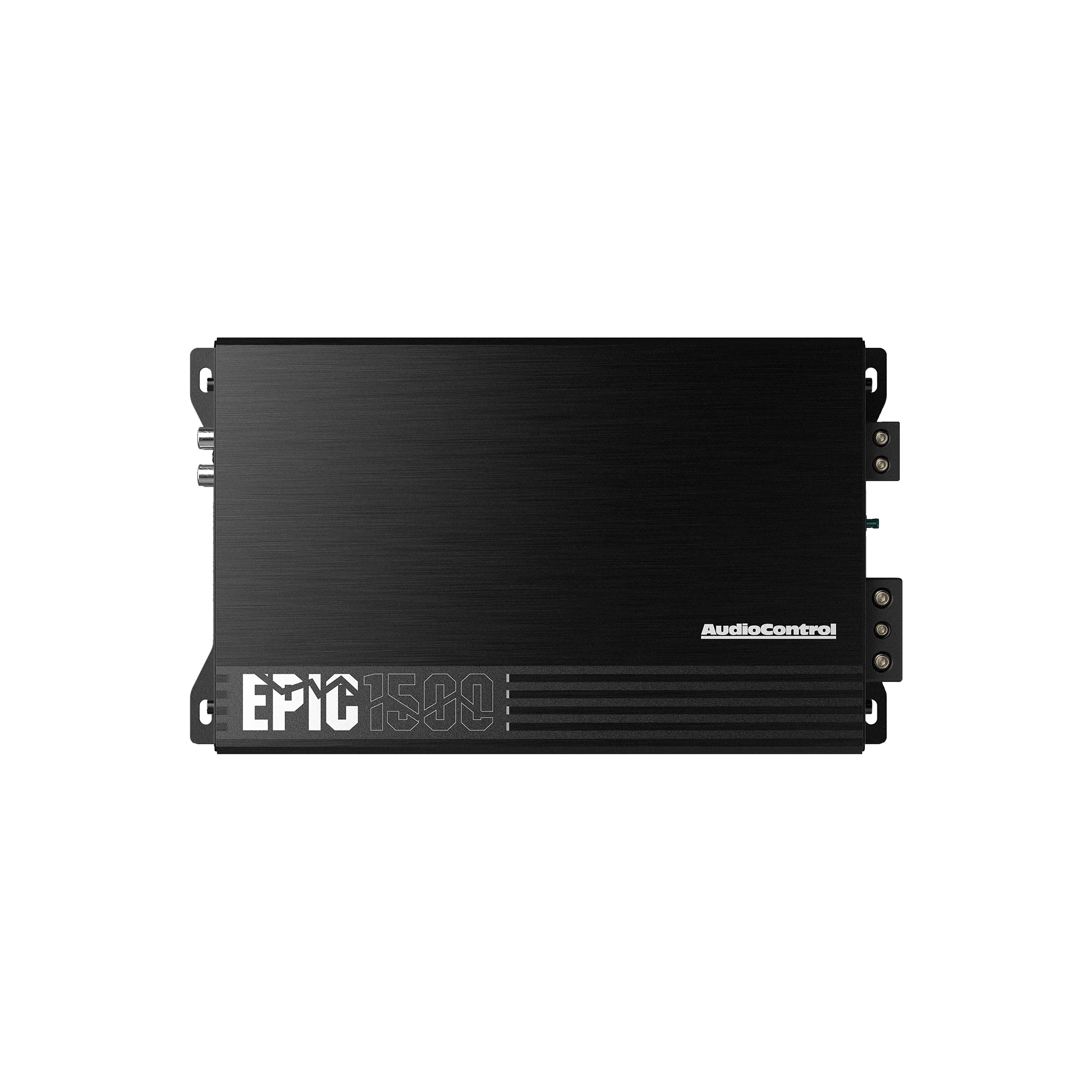
EPIC1500 Monoblock Amplifier, 1500W RMS
The AudioControl EPIC Series Amplifier delivers powerful, heart-pounding bass in a compact, thermally efficient...
$259.00
5 (1) -
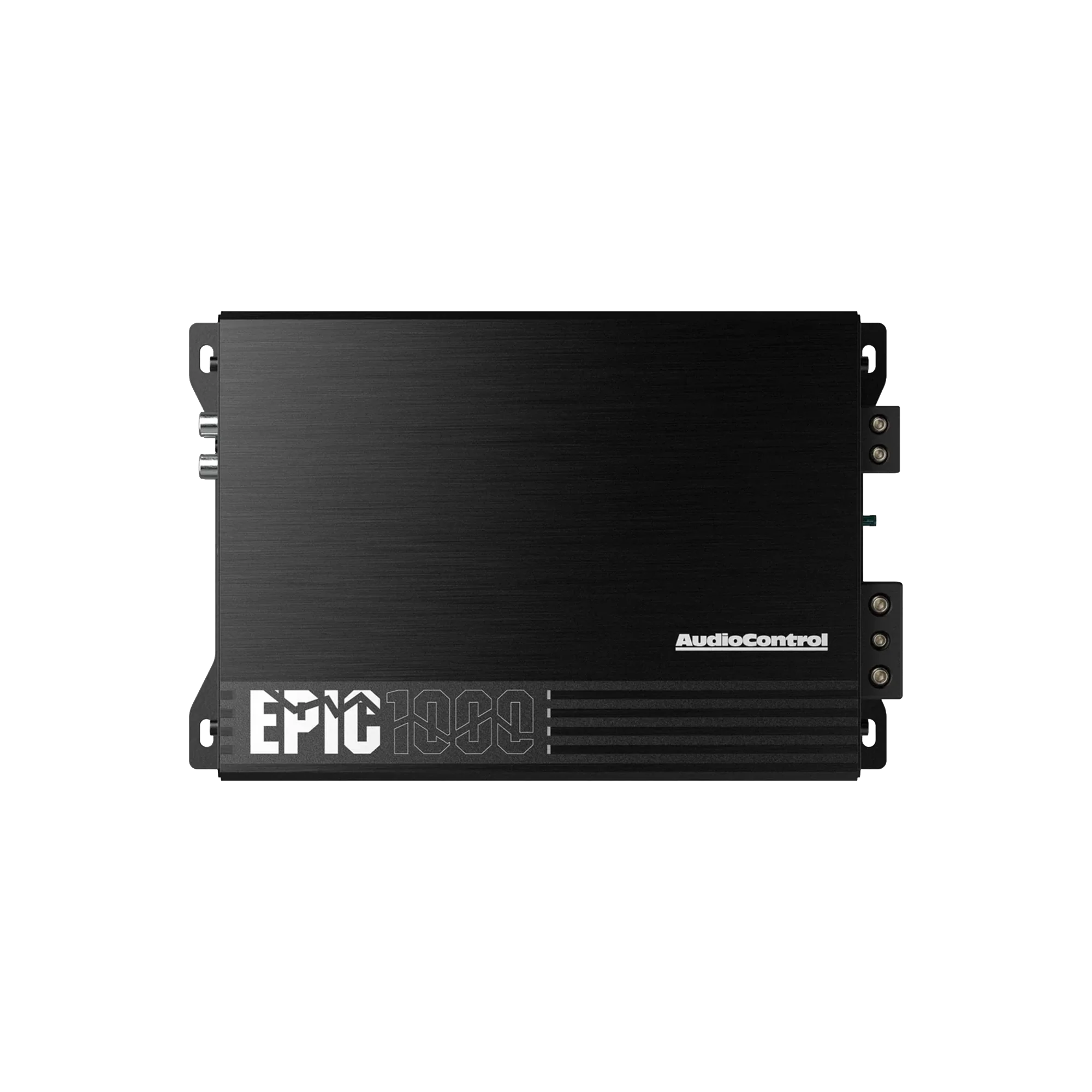
EPIC1000 Monoblock Amplifier, 1000W RMS
The AudioControl EPIC Series Amplifier delivers powerful, heart-pounding bass in a compact, thermally efficient...
$219.00
4 (2) -
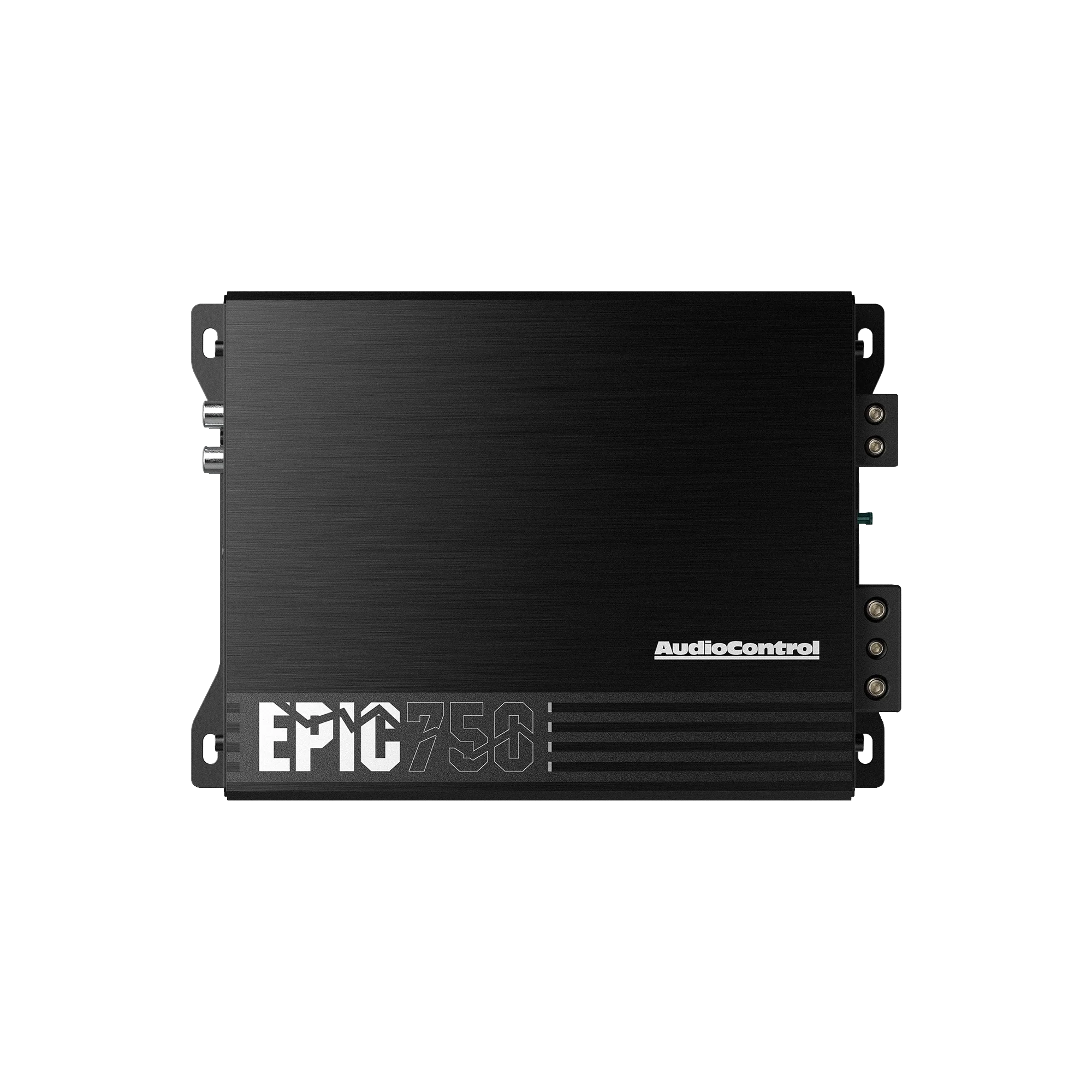
EPIC750 Monoblock Amplifier, 750W RMS
The AudioControl EPIC Series Amplifier delivers powerful, heart-pounding bass in a compact, thermally efficient...
$189.00
-

EPIC500 Monoblock Amplifier, 500W RMS
The AudioControl EPIC Series Amplifier delivers powerful, heart-pounding bass in an ultra compact, thermally...
$139.00
5 (1) -
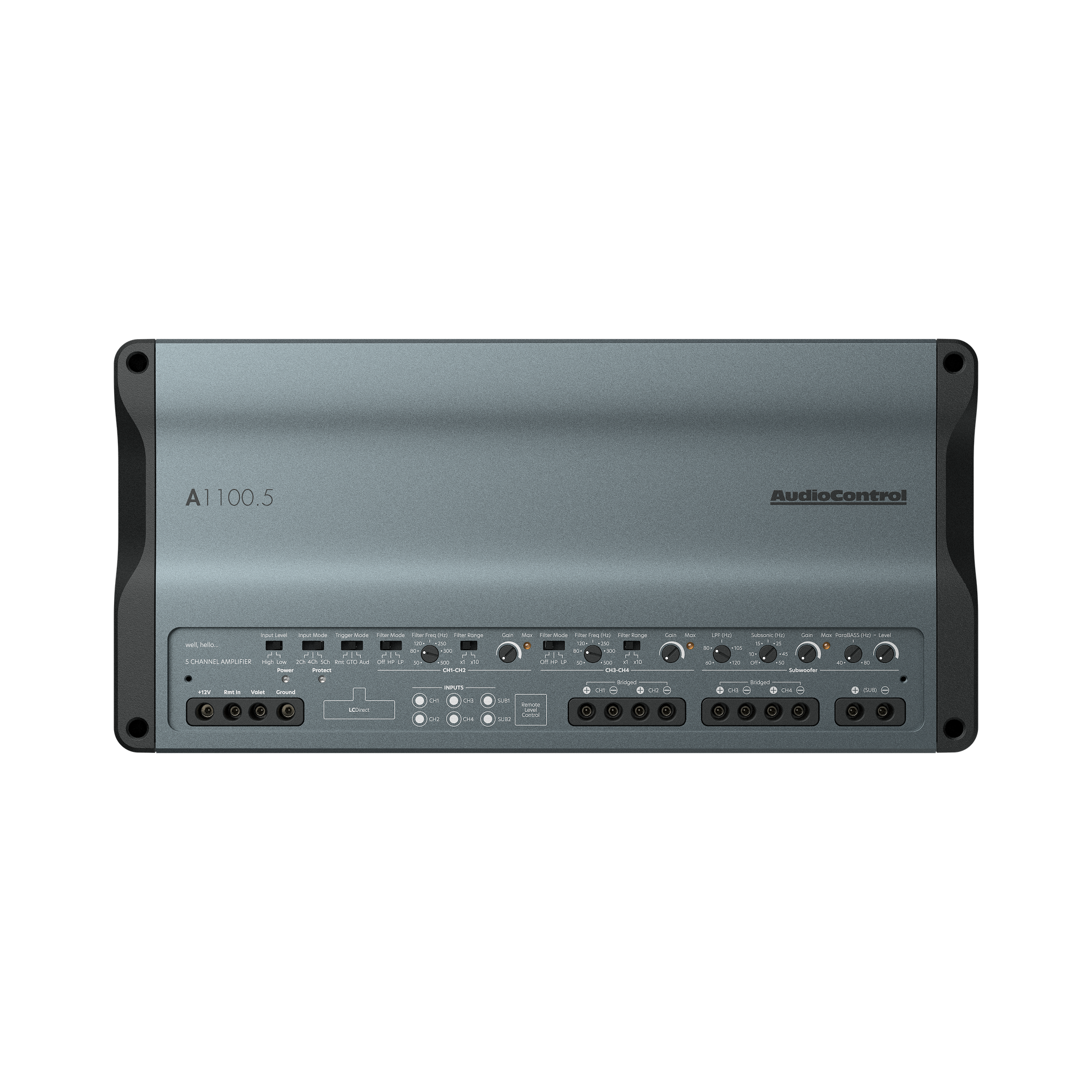 Save 14%
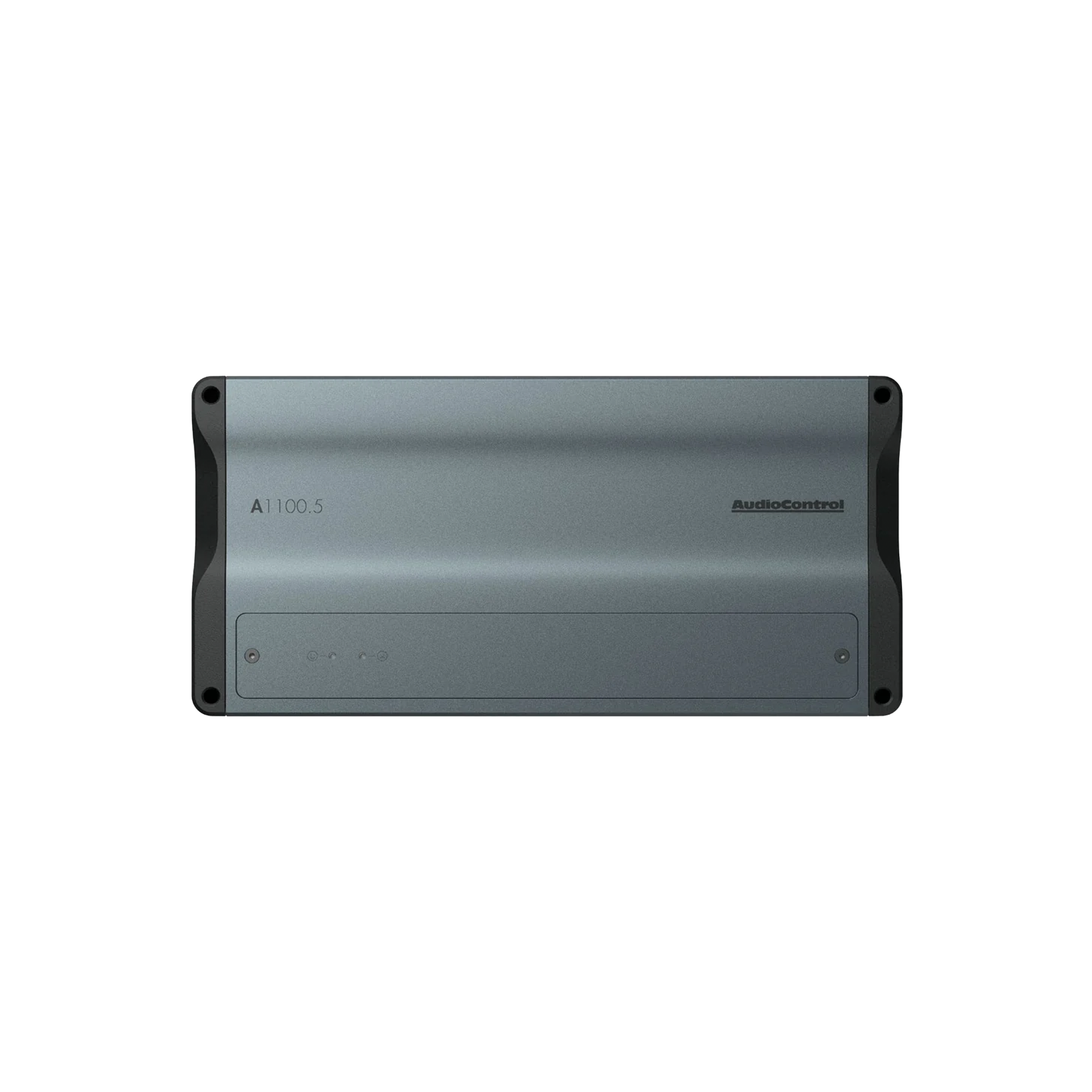
A1100.5 Altitude 5-Channel Amplifier, 1100W RMS
Elevate your audio experience with AudioControl’s Altitude Amplifier Series, designed from the ground up...
$499.00 $579.00
-
 Save 6%
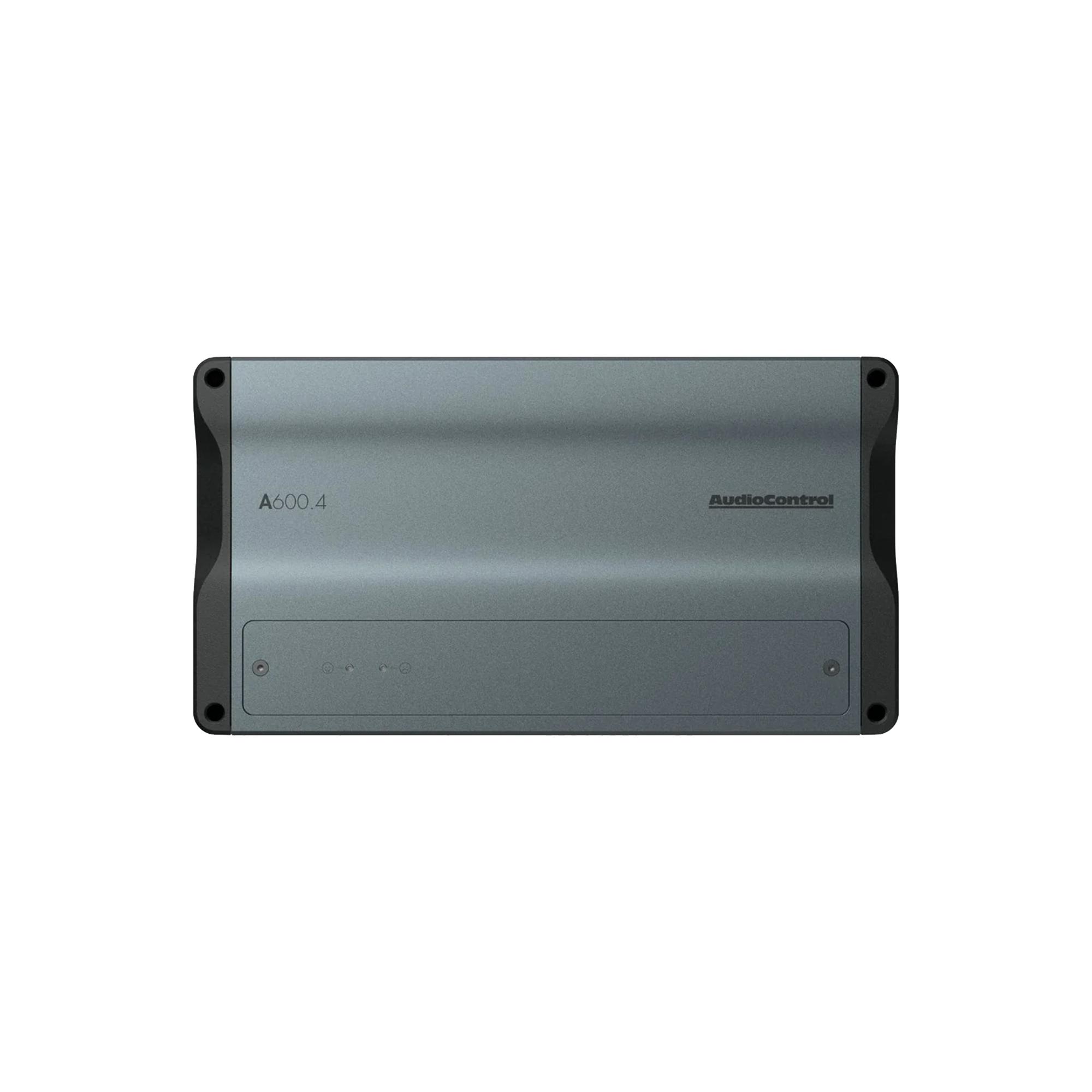
A600.4 Altitude 4-Channel Amplifier, 600W RMS
Elevate your audio experience with AudioControl’s Altitude Amplifier Series, designed from the ground up...
$299.00 $319.00
5 (1) -
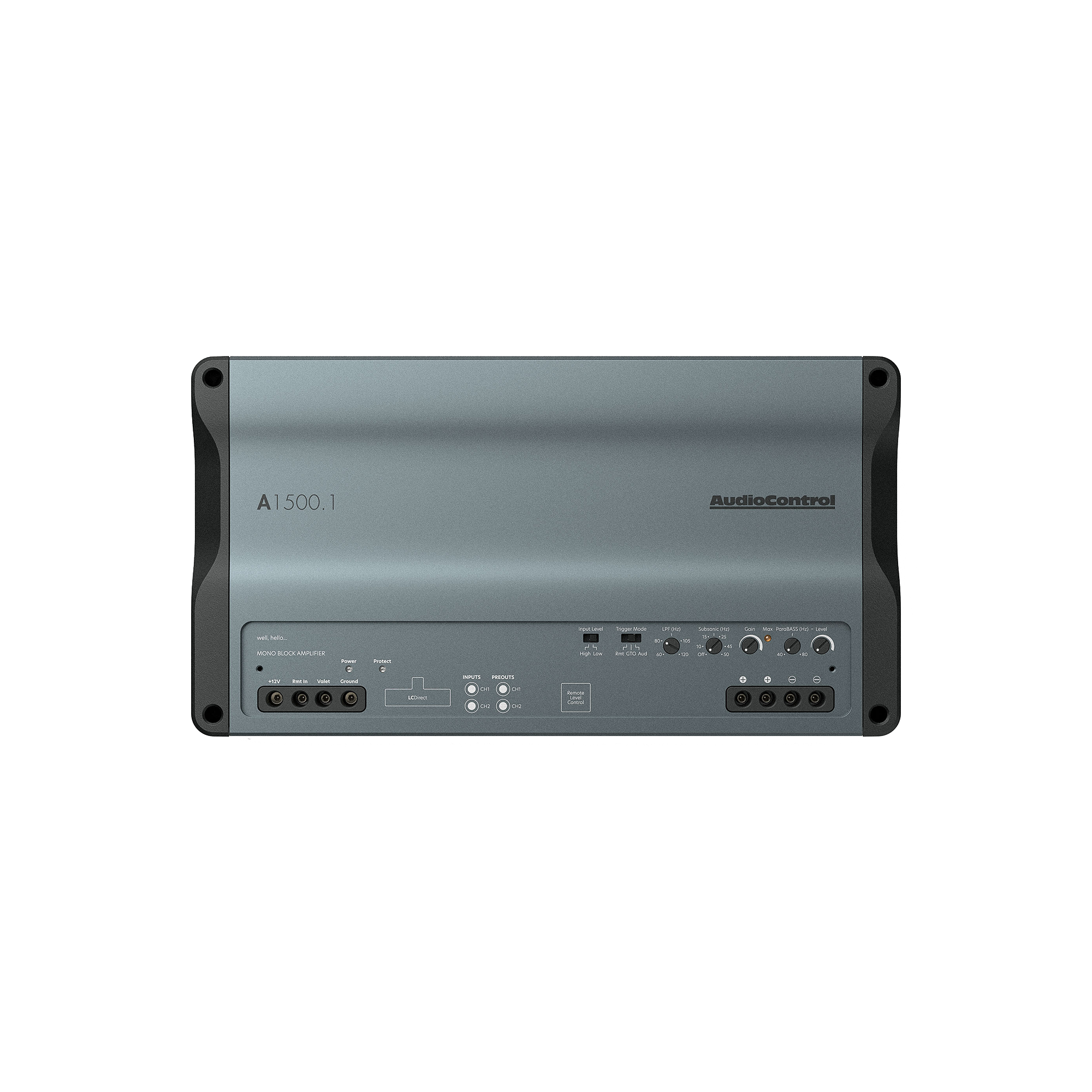
A1500.1 Altitude Monoblock Amplifier, 1500W RMS
Elevate your audio experience with AudioControl’s Altitude Amplifier Series, designed from the ground up...
$359.00
-
A800.1 Altitude Monoblock Amplifier, 800W RMS
Elevate your audio experience with AudioControl’s Altitude Amplifier Series, designed from the ground up...
$269.00
0 (0) -
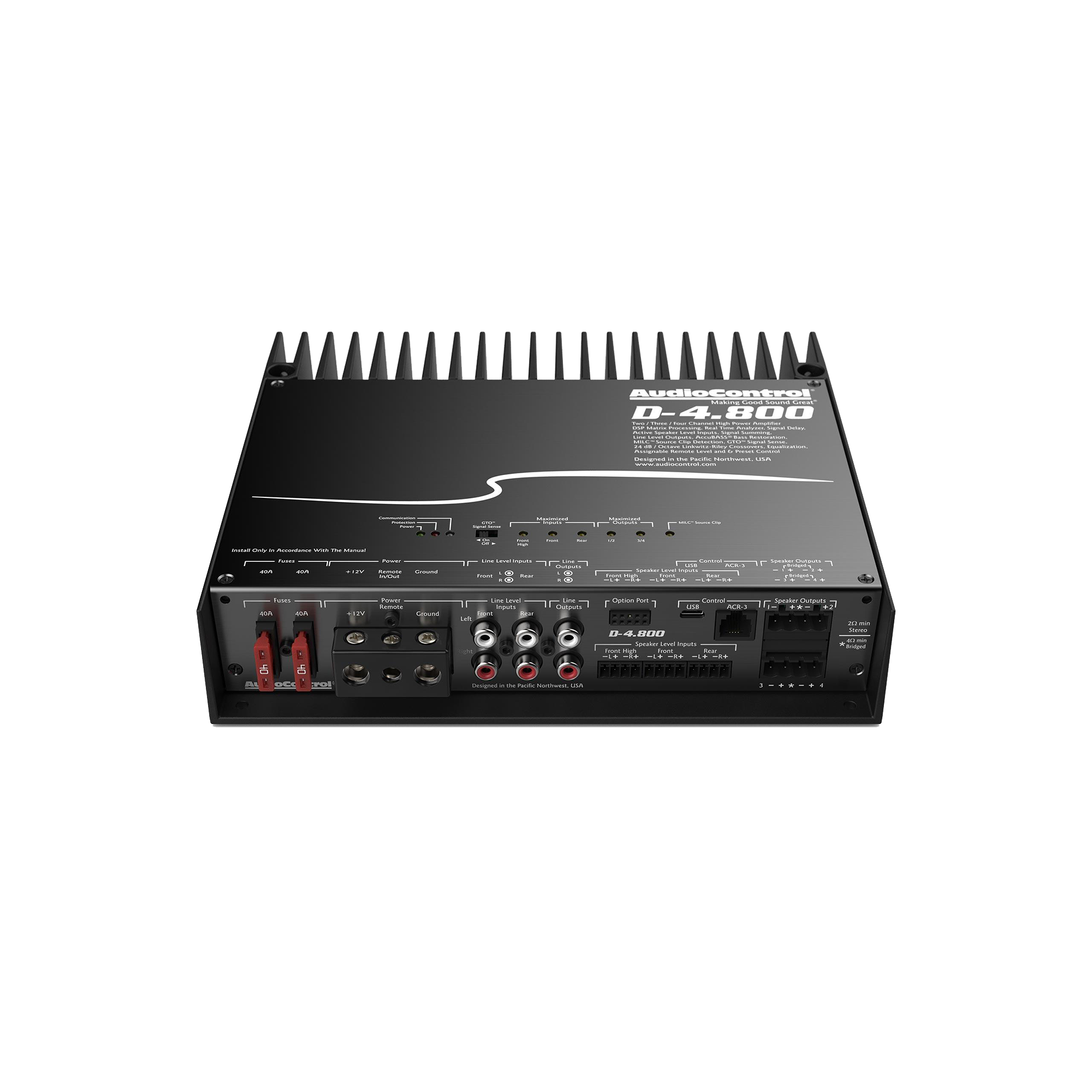
D-4.800 High-Power 4-Channel DSP Matrix Amplifier w/AccuBASS
Get ready to elevate your audio experience with the AudioControl D-4.800 4-Channel Car Amplifier...
$779.00
-
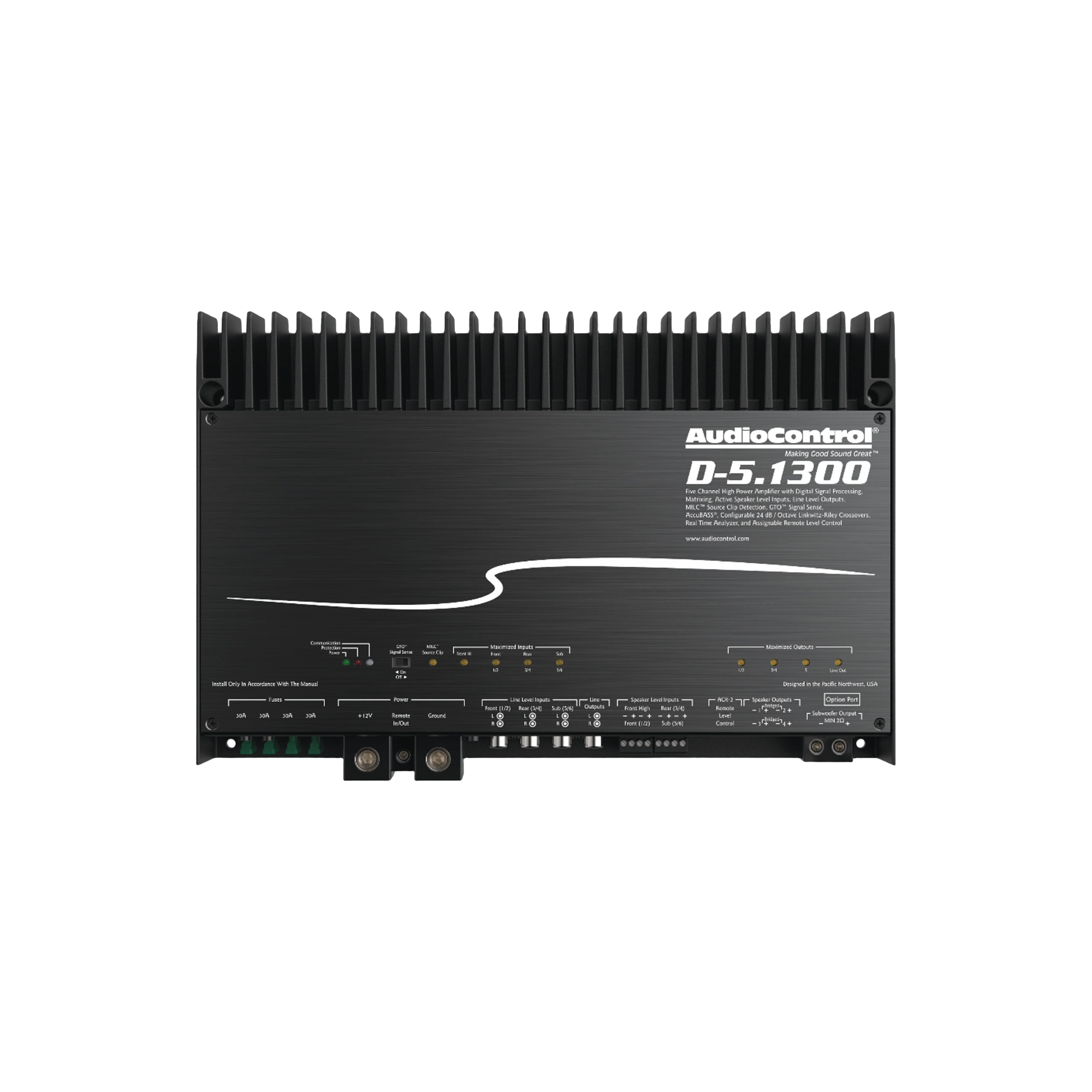
D-5.1300 High-Power 5-Channel DSP Matrix Amplifier w/AccuBass
Experience unparalleled in-car audio performance with AudioControl's D-5.1300 5-Channel DSP Amplifier with AccuBASS. This...
$999.00
-
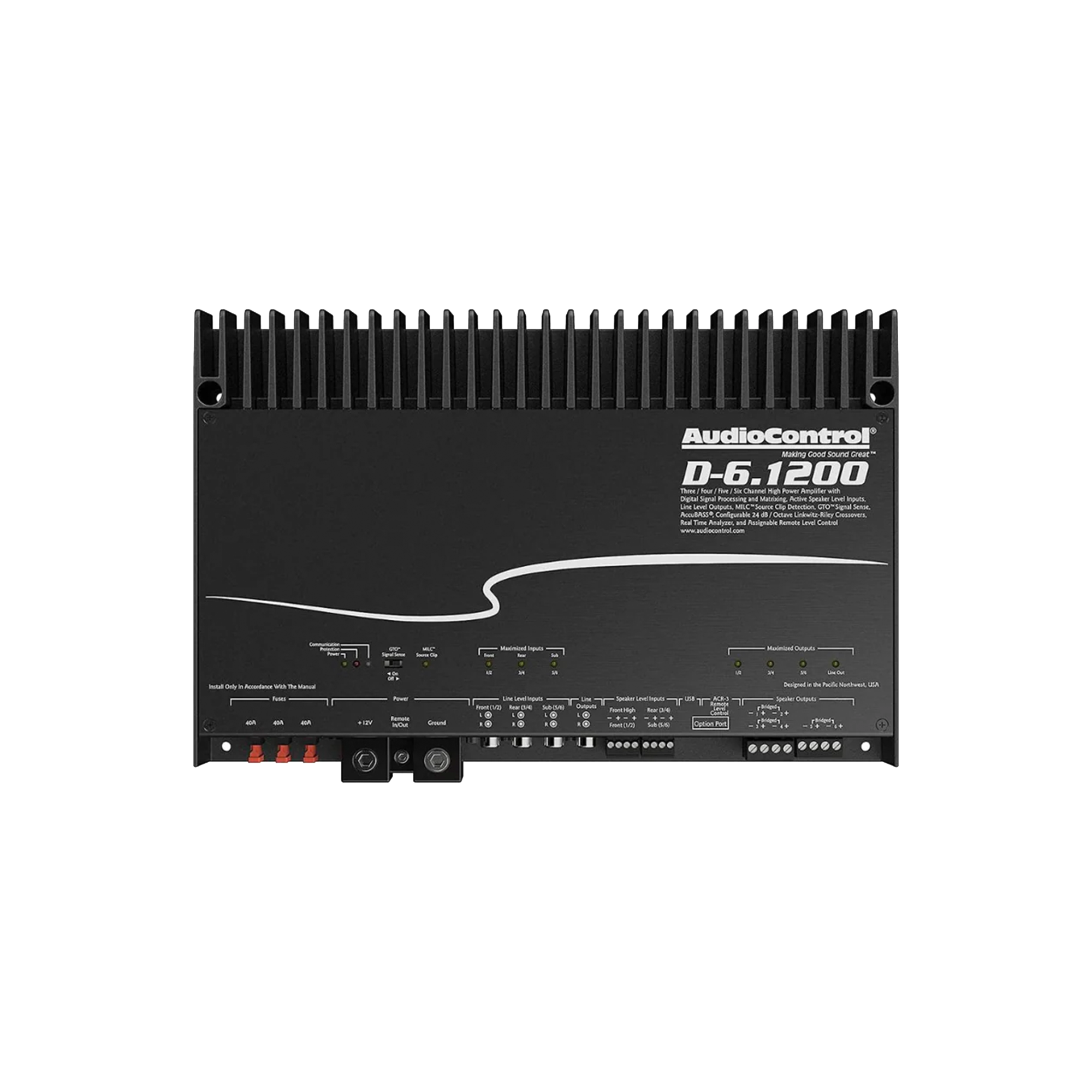
D-6.1200 High-Power 6-Channel DSP Matrix Amplifier w/AccuBASS
AudioControl has paired our award winning amplifier technology with our powerful Matrix DSP into...
$999.00
5 (2) -
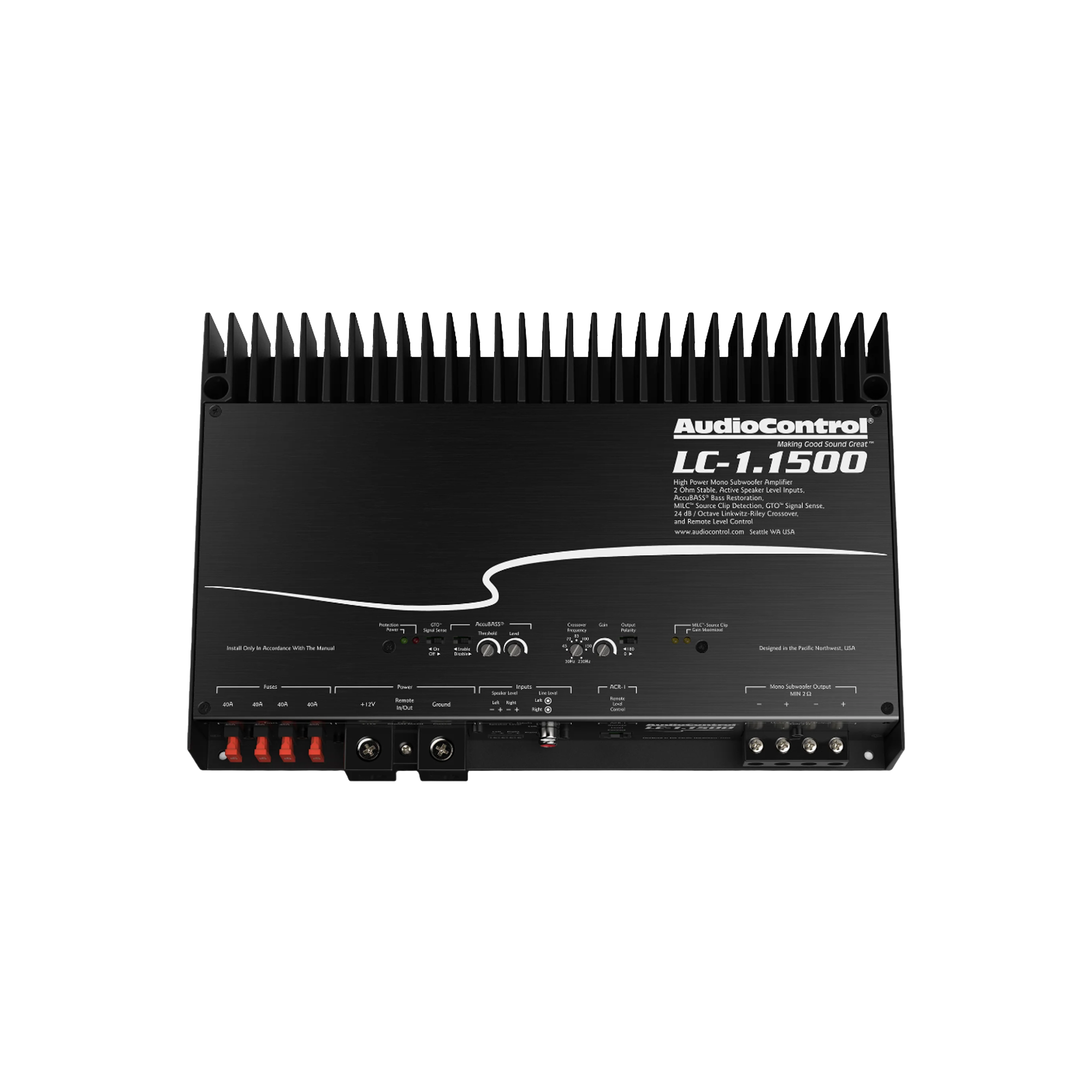
LC-1.1500 High-Power Monoblock Amplifier w/AccuBASS
The AudioControl LC-1.1500 Mono Subwoofer Amplifier is the ultimate choice for car audio enthusiasts...
$609.00
-
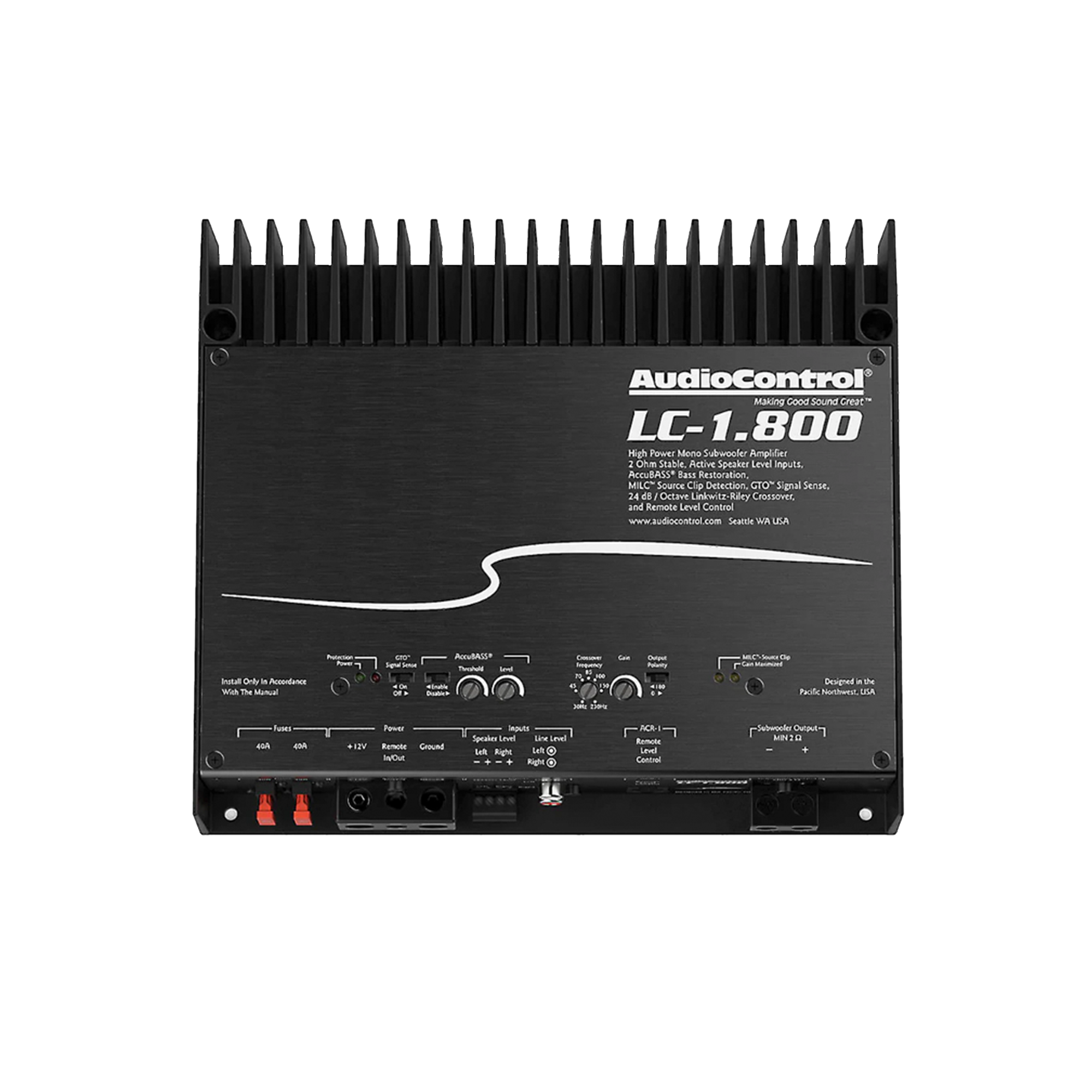
LC-1.800 High-Power Monoblock Amplifier w/AccuBASS
When you demand the perfect blend of power and performance, AudioControl provides answers and...
$489.00
5 (2) -
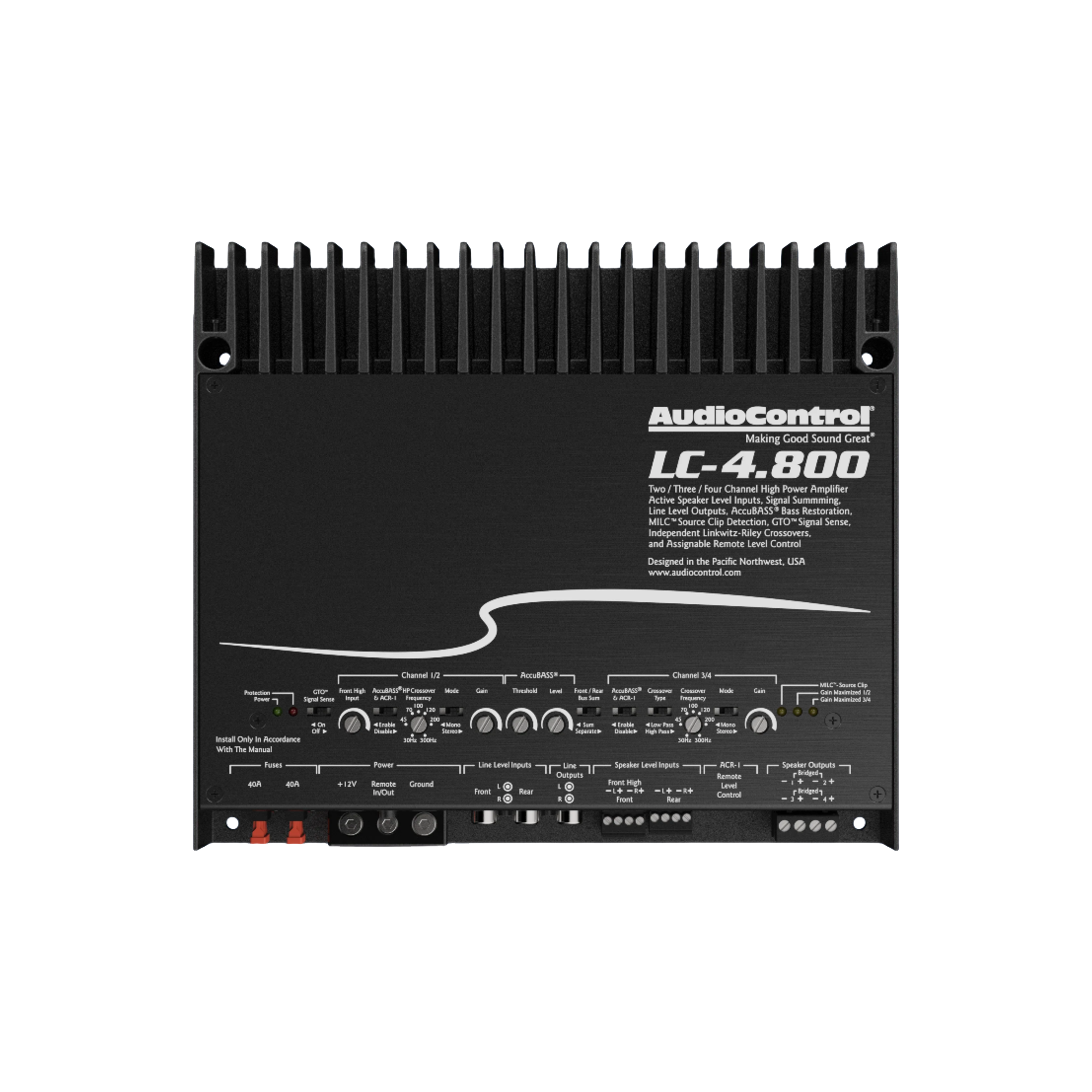
LC-4.800 High-Power 4-Channel Amplifier w/AccuBASS
This unique high power design features six active speaker level inputs with summing allowing...
$609.00
-
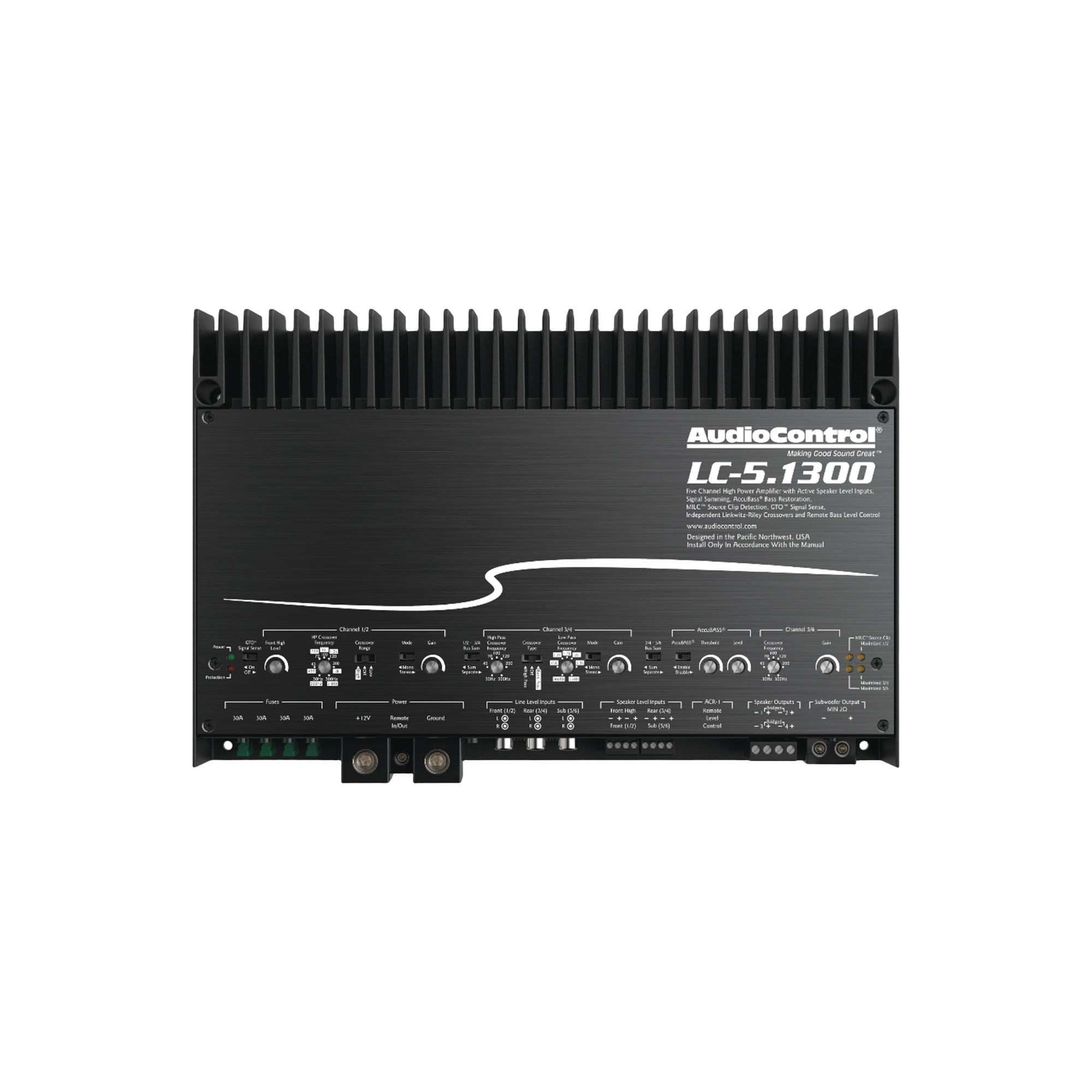
LC-5.1300 High-Power 5-Channel or 3-Channel Amplifier w/AccuBASS
The LC-5.1300 brings five channels of sonic purity and unprecedented levels of power to...
$879.00
-
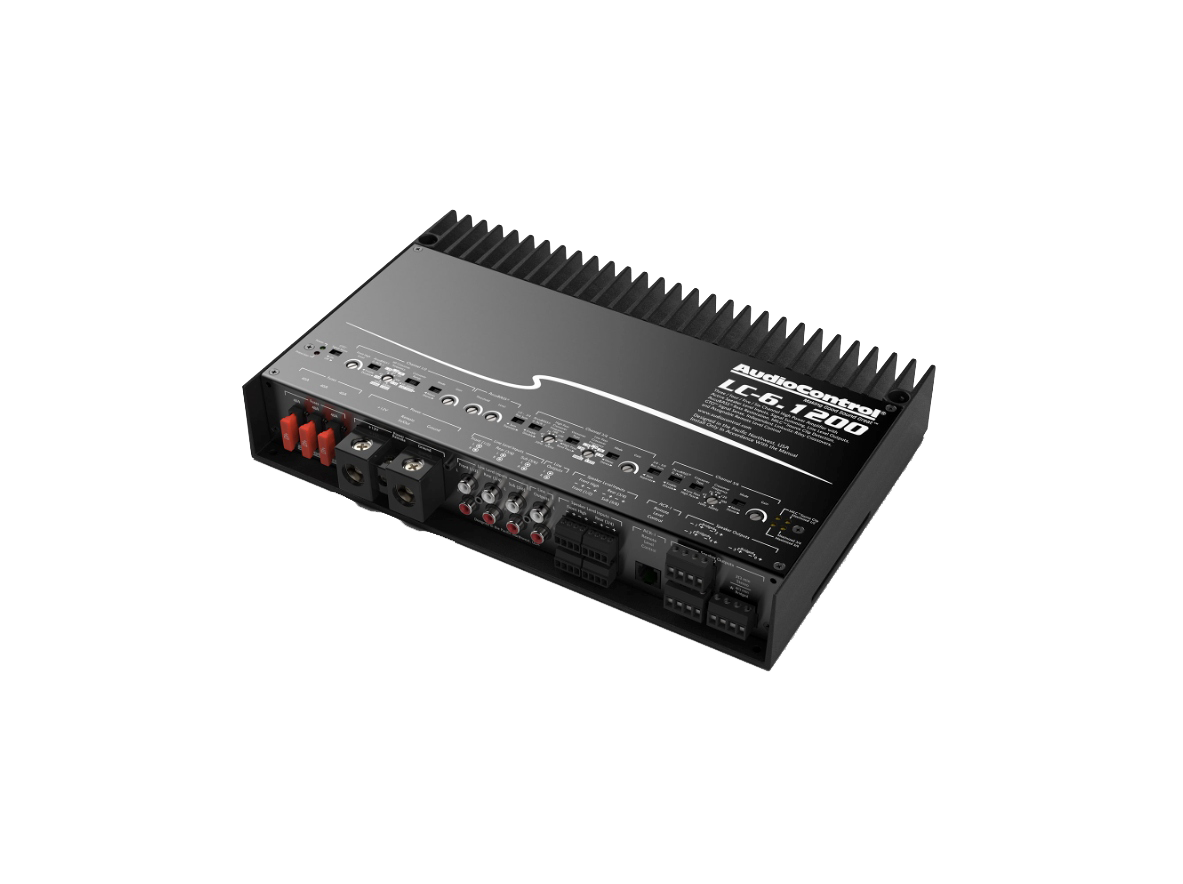
LC-6.1200 High-Power 6-Channel Amplifier w/AccuBASS
The LC-6.1200 is surely the most flexible 6 channel amplifier on the market. Featuring...
$949.99
5 (1) -
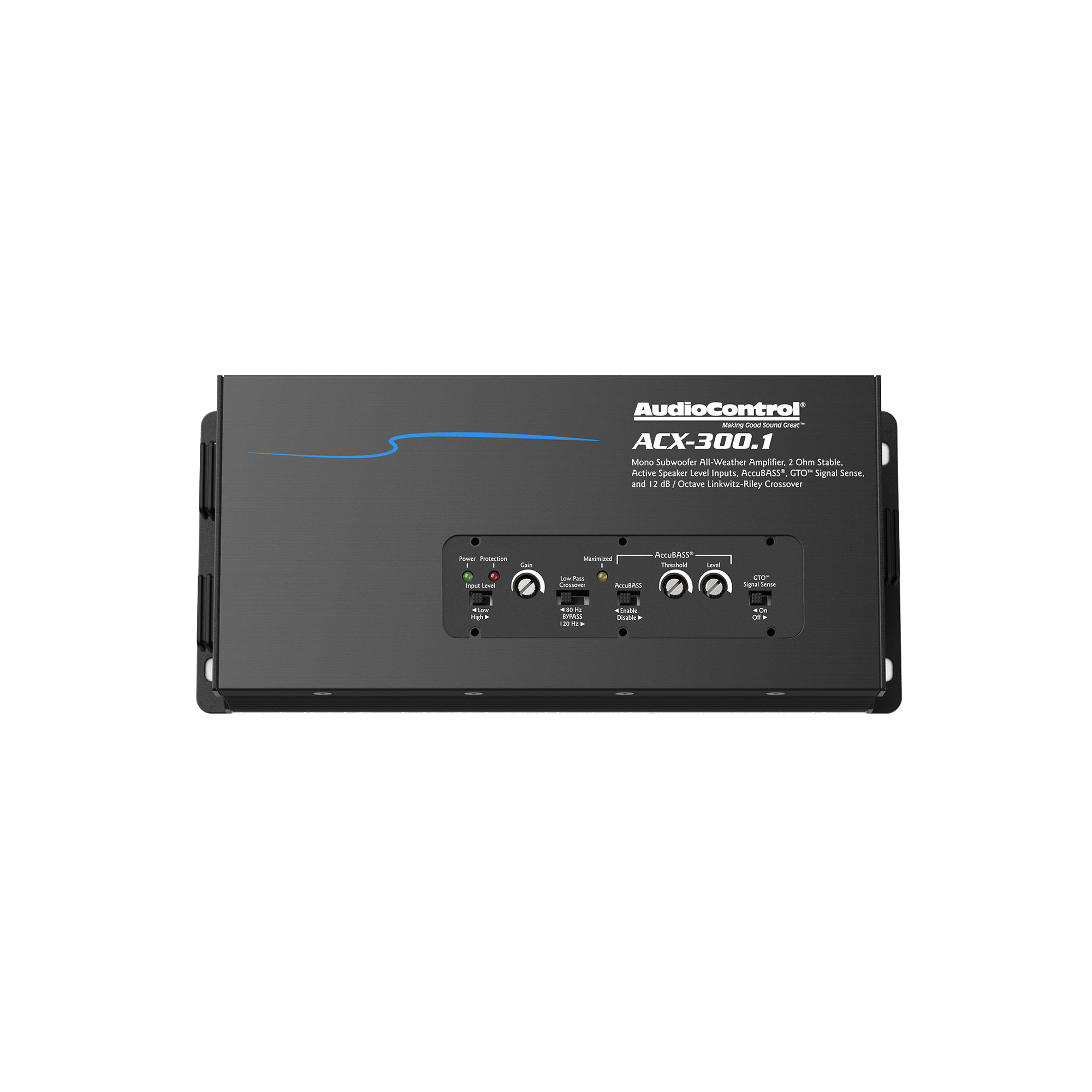
ACX-300.1 All-Weather Monoblock Amplifier, 300W RMS
AudioControl’s ACX All-Weather Amplifiers are rated IPX6 waterproof to withstand the harsh outdoor elements....
$339.00
-
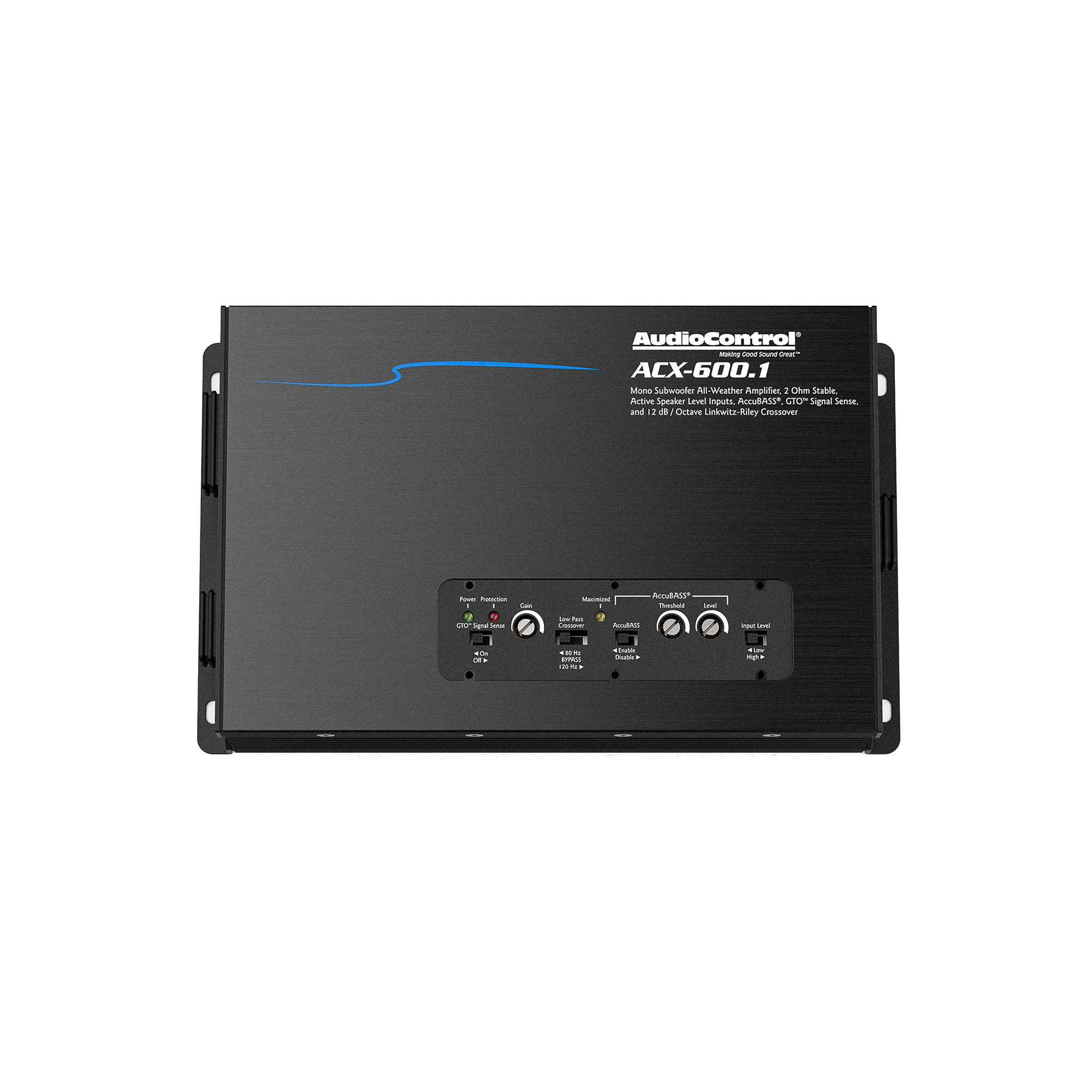
ACX-600.1 All-Weather Monoblock Amplifier, 600W RMS
AudioControl’s ACX All-Weather Amplifiers are rated IPX6 waterproof to withstand the harsh outdoor elements....
$349.00
-
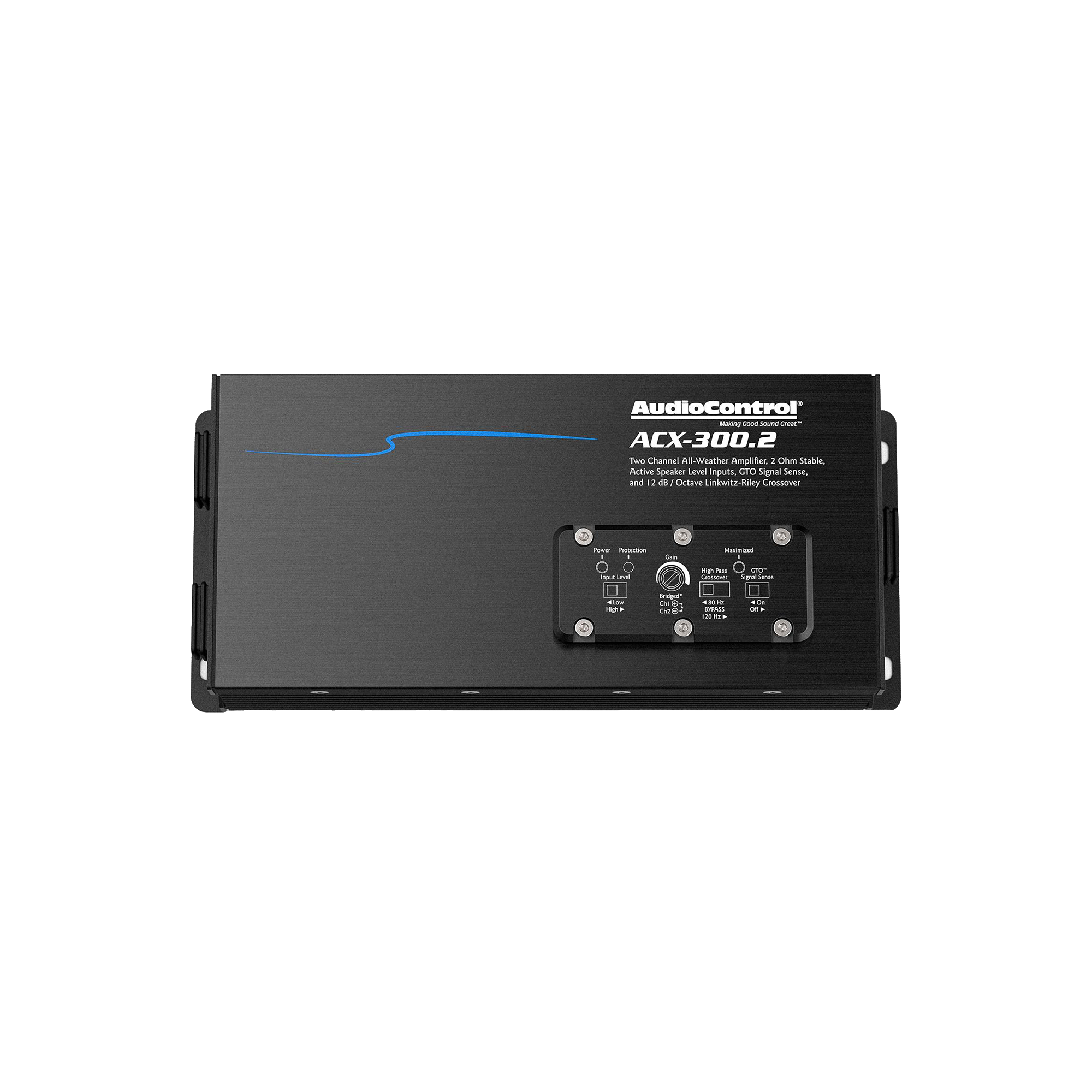
ACX-300.2 All-Weather 2-Channel Amplifier, 300W RMS
AudioControl’s ACX All-Weather Amplifiers are rated IPX6 waterproof to withstand the harsh outdoor elements....
$499.00


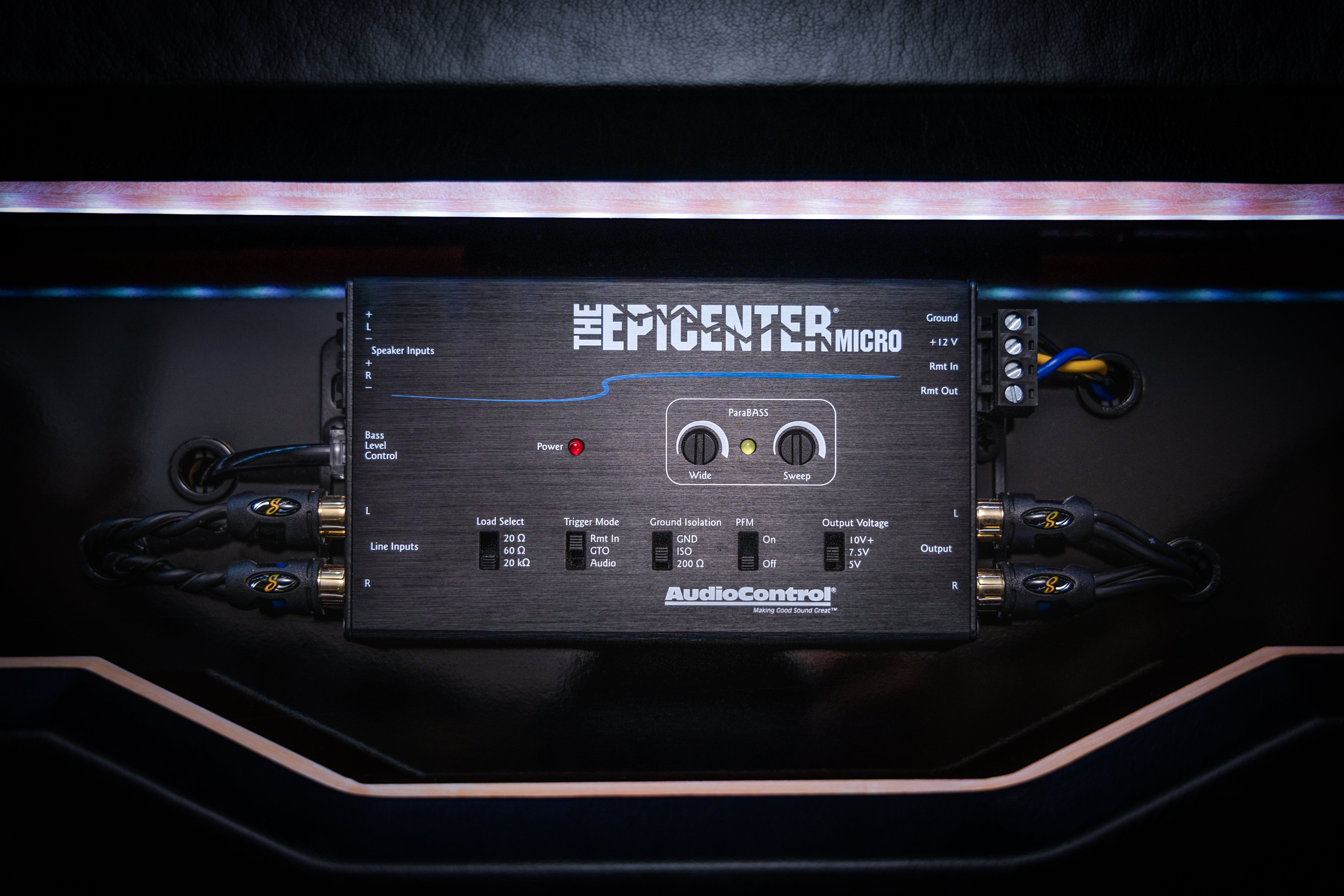
MEET THE EPICENTER®
MAX POWER. BASS THAT HITS.
The EPICENTER® bass restoration processors use patented technology to add next-level bass to any car audio system. Maximum output and crystal clear sound.

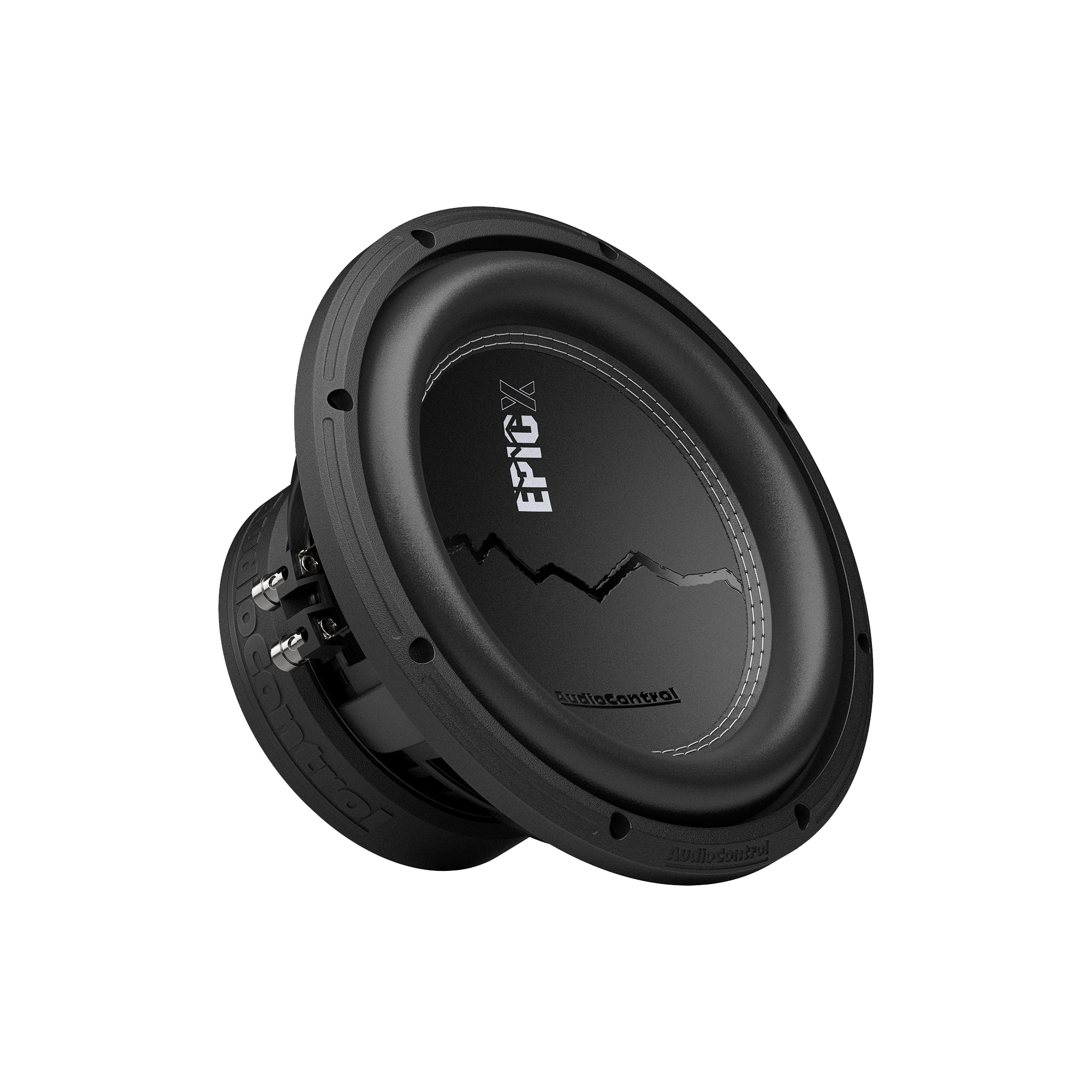
EPICX Series 10" Dual Voice Coil Subwoofer, 500W RMS, Dual 2/4 Ohms
Experience the perfect fusion of relentless output and refined audio quality with the all-new...
$149.00
SHOP SUBWOOFER ENCLOSURE PACKAGES
ONE KIT. EVERYTHING INCLUDED.
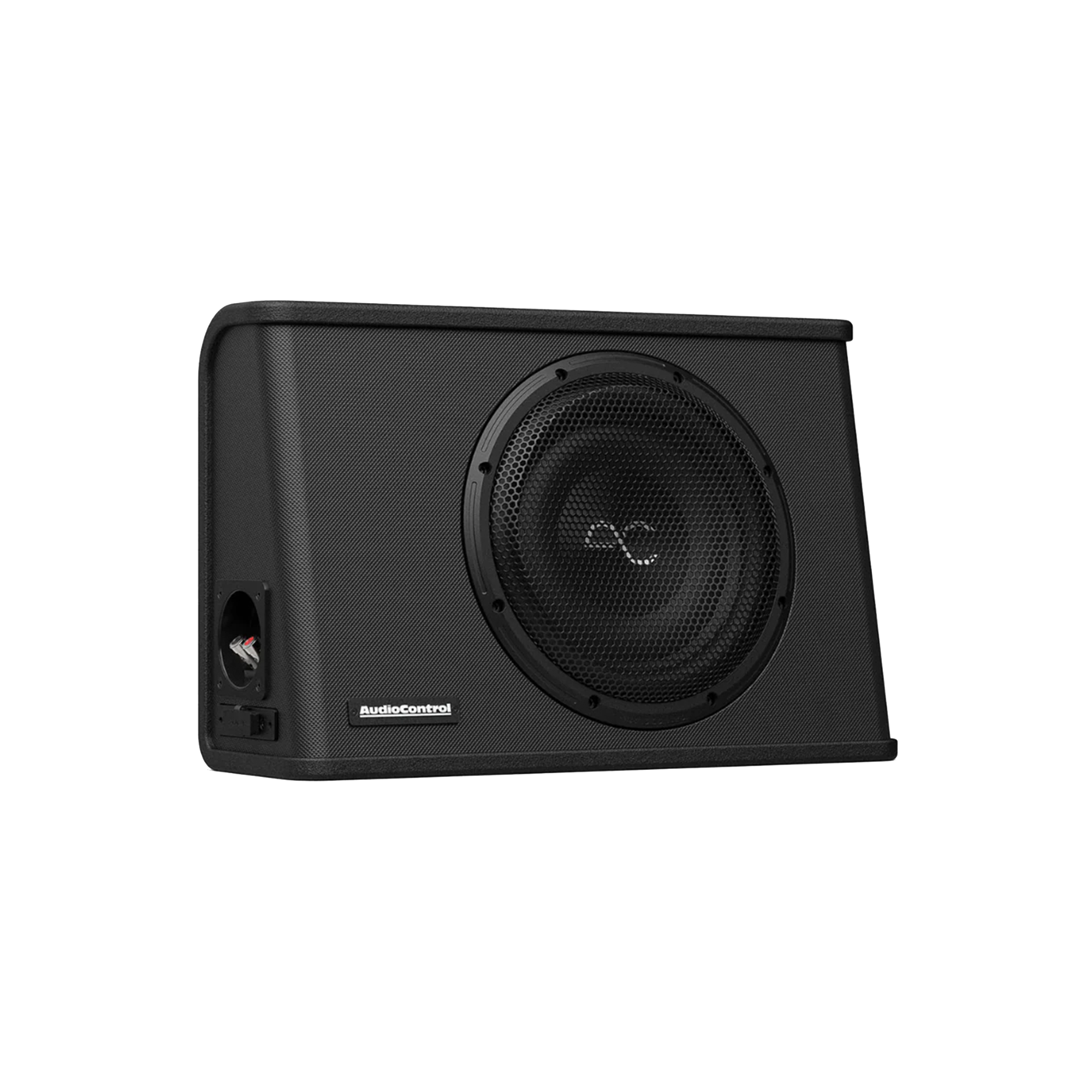
Space Series Loaded Sealed 10" or 12" Subwoofer Enclosure Package
Experience dynamic, impactful bass in a slim, compact box with the Space Series Loaded...
$779.00

Jeep Wrangler JK/JL 12" Swing Gate Loaded Subwoofer Enclosure Package
The Jeep Wrangler is an icon on the road and the trail, but its...
$949.00

Ford Bronco (2021-23) 12" Swing Gate Loaded Subwoofer Enclosure Package
The Ford Bronco is built for adventure, but its factory sound system falls flat...
$999.00

Ford F-150 (2015-23) / F-250/350 (2017+) Under Seat Dual 10" Loaded Enclosure Package
Ford F-150 (2015-23) / F-250/350 Super Duty (2017+) Under Seat Dual 10" Sealed Loaded...
$1,549.00

Chevy Silverado/GMC Sierra (2019+) Under Seat Dual 10" Loaded Enclosure Package
Compatibility Chevy Silverado/GMC Sierra 1500 (2019+) Chevy Silverado/GMC Sierra 2500/3500 Crew Cab (2020+) Experience...
$1,649.00

Chevy Silverado/GMC Sierra (2014-18) Under Seat Dual 10" Loaded Enclosure Package
Compatibility Chevy Silverado/GMC Sierra 1500 (2014-18) Chevy Silverado/GMC Sierra 2500/3500 (2014-19) Your Chevy Silverado...
$1,499.00

RAM (2002-25) Under Seat Dual 10" Sealed Loaded Subwoofer Enclosure Package
RAM Under Seat Dual 10" Sealed Loaded Subwoofer Enclosure Package
$1,549.00
SHOW US YOUR BUILD
TAG #AUDIOCONTROL TO GET FEATURED.
FAQs
-
An amp supplies clean, stable power to your speakers and subwoofers. This boosts clarity, increases dynamic range, and eliminates distortion that factory head units can’t handle at higher volumes. While factory stereos have small built-in amplifiers, they often lack the current needed to drive speakers at high volumes without "clipping" or distorting the sound. By providing a clean, high-wattage output, a dedicated amplifier allows your music to sound clearer and more dynamic, ensuring that even at high speeds or with the windows down, the audio remains crisp and impactful.
-
The fundamental difference between RMS and peak power lies in consistency versus momentary potential: RMS (Root Mean Square) represents the continuous, clean power an amplifier can sustainedly deliver to your speakers without overheating or distorting, making it the only reliable metric for matching equipment. In contrast, peak power refers to the absolute maximum burst of energy an amplifier can produce for a fraction of a second—often during a single heavy bass hit—before the internal circuitry fails or the signal clips. While manufacturers often highlight inflated peak numbers for marketing appeal, relying on them to match your speakers is a recipe for hardware failure; for a safe and high-performing system, you should always ignore the "Max" sticker and build your setup around the RMS rating to ensure the amplifier and speakers can handle the workload for the duration of your entire drive.
-
Choosing the right car amplifier requires matching the number of channels to your speaker configuration and ensuring the power output aligns with your hardware's requirements. You should start by selecting an architecture: a monoblock (1-channel) amp is dedicated to subwoofers, a 4-channel is standard for powering front and rear door speakers, and a 5-channel offers an all-in-one solution for an entire system. Most importantly, you must match the amplifier’s RMS power output—not the "peak" or "max" rating—to the RMS handling of your speakers at a specific impedance, such as 2 ohms or 4 ohms. For the best results, look for an amplifier that provides approximately 75% to 150% of your speakers' rated power to ensure clean, undistorted "headroom," and prioritize Class D designs for high efficiency and a compact footprint in modern vehicles.
-
AudioControl amplifiers are class D amplifiers. Class D car amplifiers are highly prized for their exceptional efficiency, often exceeding 90%, which allows them to produce massive power while drawing significantly less current from your vehicle's electrical system than traditional designs. Because they dissipate very little energy as heat, they can be housed in incredibly compact chassis that fit easily in tight spaces like under seats or behind panels without the risk of overheating. This combination of a small footprint, high output, and cool operation makes them the ideal choice for modern car audio systems.
-
The fundamental difference between a 1-channel and a 4-channel amplifier lies in their intended purpose and power delivery characteristics. A 1-channel amplifier, also known as a monoblock amp or subwoofer amp, is specifically engineered to power subwoofers; it focuses all its energy into a single output and is typically "Class D" for maximum efficiency and stability at low impedances. In contrast, a 4-channel amplifier is a versatile multi-output unit designed to power a full set of cabin speakers—typically two in the front and two in the rear—to provide a detailed stereo image. While a 1-channel amp excels at producing the high-current, low-frequency energy needed for deep bass, a 4-channel amp prioritizes high-fidelity "full-range" sound across the entire frequency spectrum, making it the backbone of a clear and balanced interior audio setup.
-
A 5-channel amplifier is a comprehensive "system-in-a-box" solution that allows you to power an entire car audio setup—four full-range cabin speakers and one dedicated subwoofer—from a single, space-saving chassis. The unique advantage of this configuration is that the first four channels are optimized for high-fidelity mids and highs, while the fifth channel is a high-power "mono" output specifically engineered with the high current and low-impedance stability required to drive a subwoofer. This eliminates the need for complex wiring, multiple power cables, and the extra mounting space required for two separate amplifiers, making it the perfect choice for enthusiasts who want a full, balanced sound system with deep bass without cluttering their trunk or overcomplicating their vehicle's electrical installation.
-
What makes a 6-channel car amplifier special is its extreme versatility, acting as a "Swiss Army knife" for complex audio builds by providing enough independent power sources to run an entire high-fidelity system from a single chassis. Unlike standard four-channel units, a 6-channel amp allows audiophiles to execute an "active" front stage—where the tweeters, mid-range speakers, and woofers each receive a dedicated, perfectly tuned signal—or to power a complete cabin-plus-subwoofer setup by bridging the final two channels for a high-output bass transition. This high channel count eliminates the need for multiple bulky amplifiers and excessive wiring, offering a streamlined, space-saving solution that provides the granular control necessary for professional-grade sound staging and precise frequency management across the entire vehicle.
-
Clipping occurs when a car amplifier is pushed beyond its maximum power capacity, causing the smooth, rounded peaks of an audio sine wave to be "cut off" or flattened into a square-like shape. This happens when the gain is set too high or the head unit's volume exceeds the amplifier's limits, resulting in harsh, audible distortion that sounds like crackling or fuzziness. Beyond just ruining your music's clarity, clipping is a leading cause of equipment failure because the flattened wave forces the speaker's voice coil to stay at its furthest point of extension for too long, generating excessive heat that can eventually melt the coil or tear the cone. To prevent this, installers use tools like an oscilloscope or a distortion detector to ensure the amplifier delivers a clean, unclipped signal across the entire frequency range.
-
To match ohms in a car amplifier, you must ensure the total electrical resistance (impedance) of your speakers or subwoofers is equal to or higher than the minimum ohm rating supported by the amplifier. Most car amplifiers are stable at 2 ohms or 4 ohms; connecting a speaker load with lower resistance than the amp's rating—such as a 1-ohm subwoofer to a 2-ohm stable amp—will cause the unit to draw excessive current, overheat, and likely enter protect mode or fail entirely. When using multiple subwoofers, you must calculate the final impedance based on whether they are wired in parallel (which drops the ohms) or series (which adds them together). For the best performance and longevity, always check the amplifier's RMS Power @ Ohms specifications and wire your speakers to hit that specific target, ensuring the amp can safely deliver its full rated power without being overstressed.