Spike Series
Beautifully crafted to provide clear, precise bass for an immersive listening experience. Spike Series subwoofers feature a heavy-duty rigid basket for reduced resonance and distortion to produce more immersive bass.
Showing 5 products
-
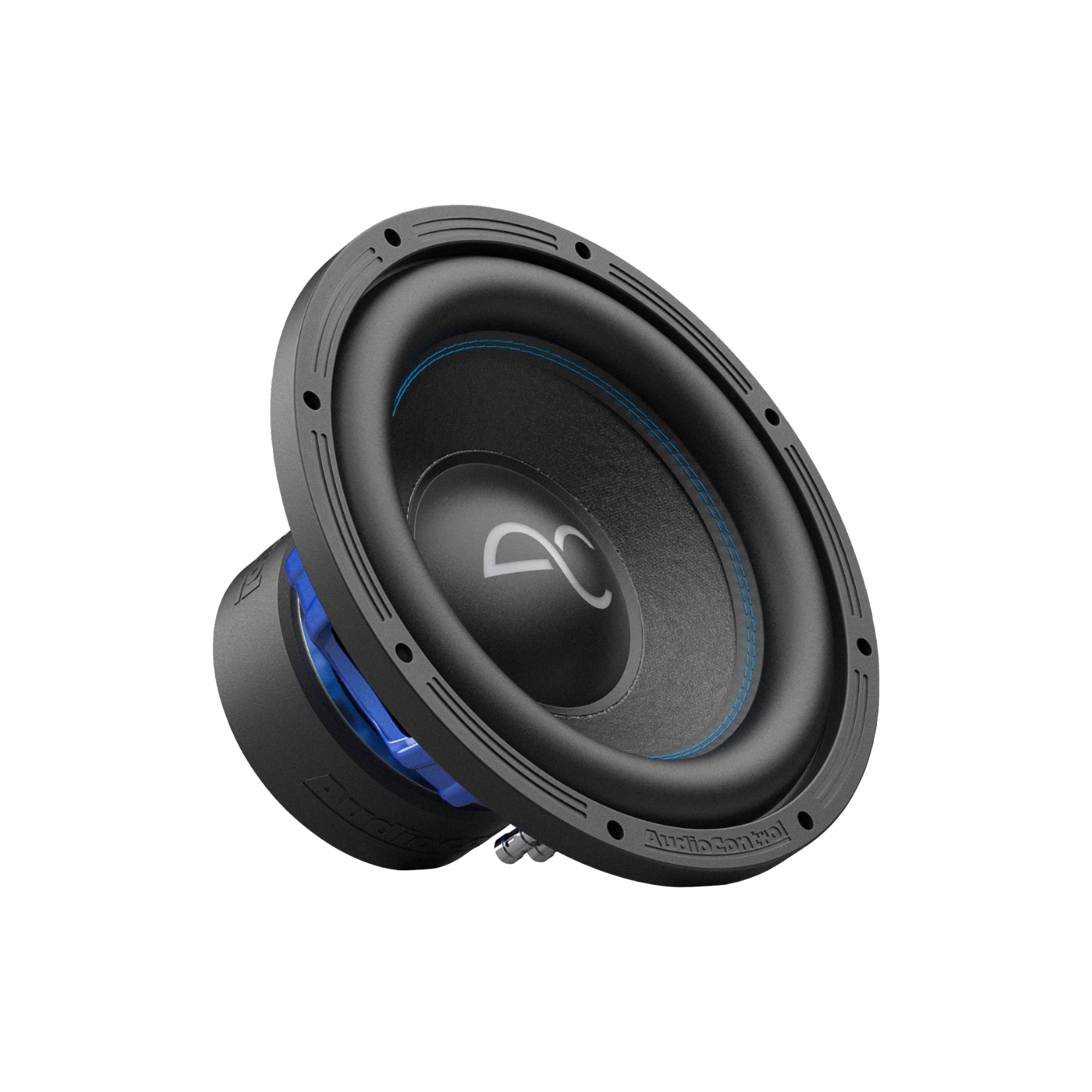
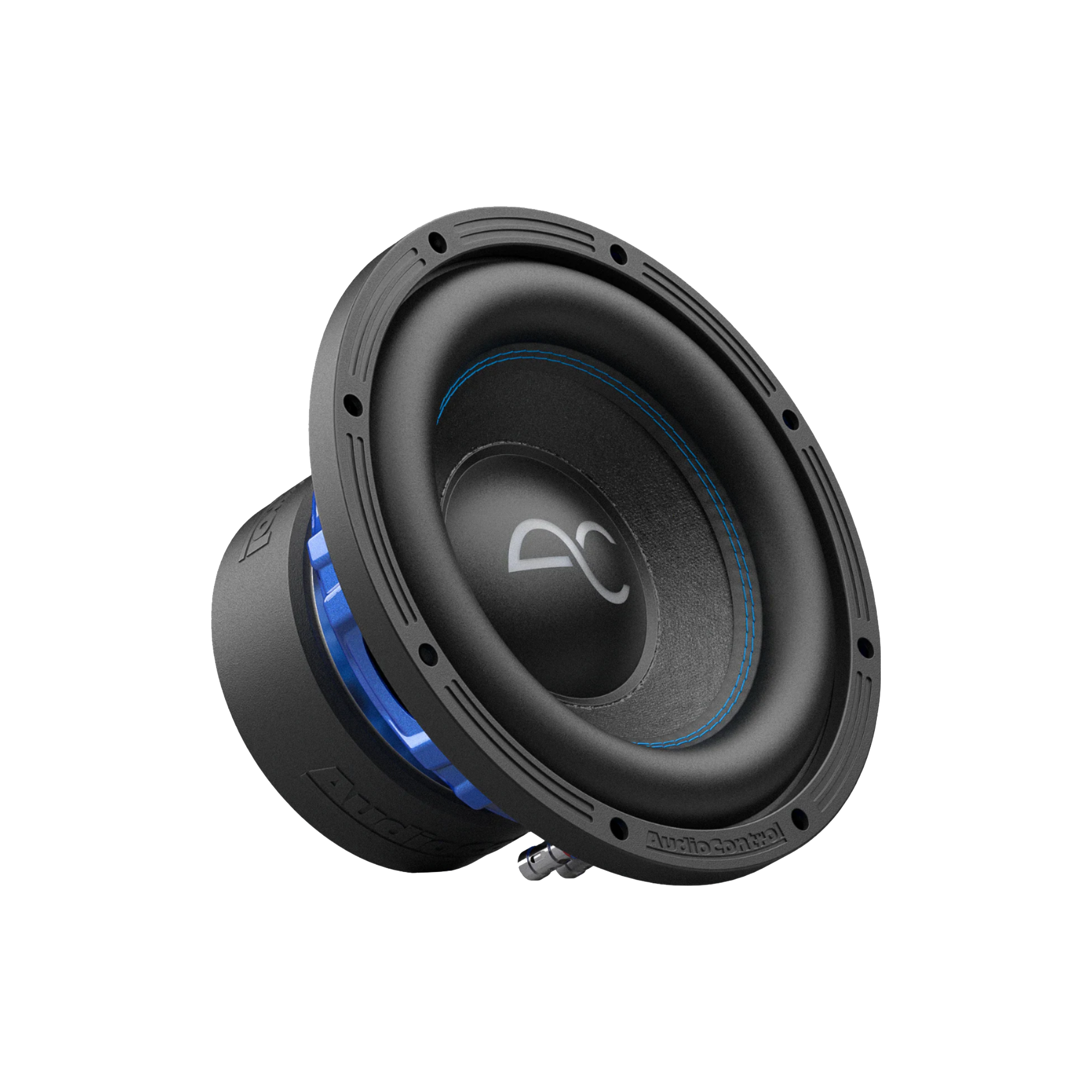
Spike Series 12" High-Performance Subwoofer, 500W RMS, 2/4 Ohms
We are proud to present the ultimate in versatility and durability with AudioControl's Spike...
$249.00
5 (3) -
Spike Series 10" High-Performance Subwoofer, 500W RMS, 2/4 Ohms
We are proud to present the ultimate in versatility and durability with AudioControl's Spike...
$219.00
5 (3) -
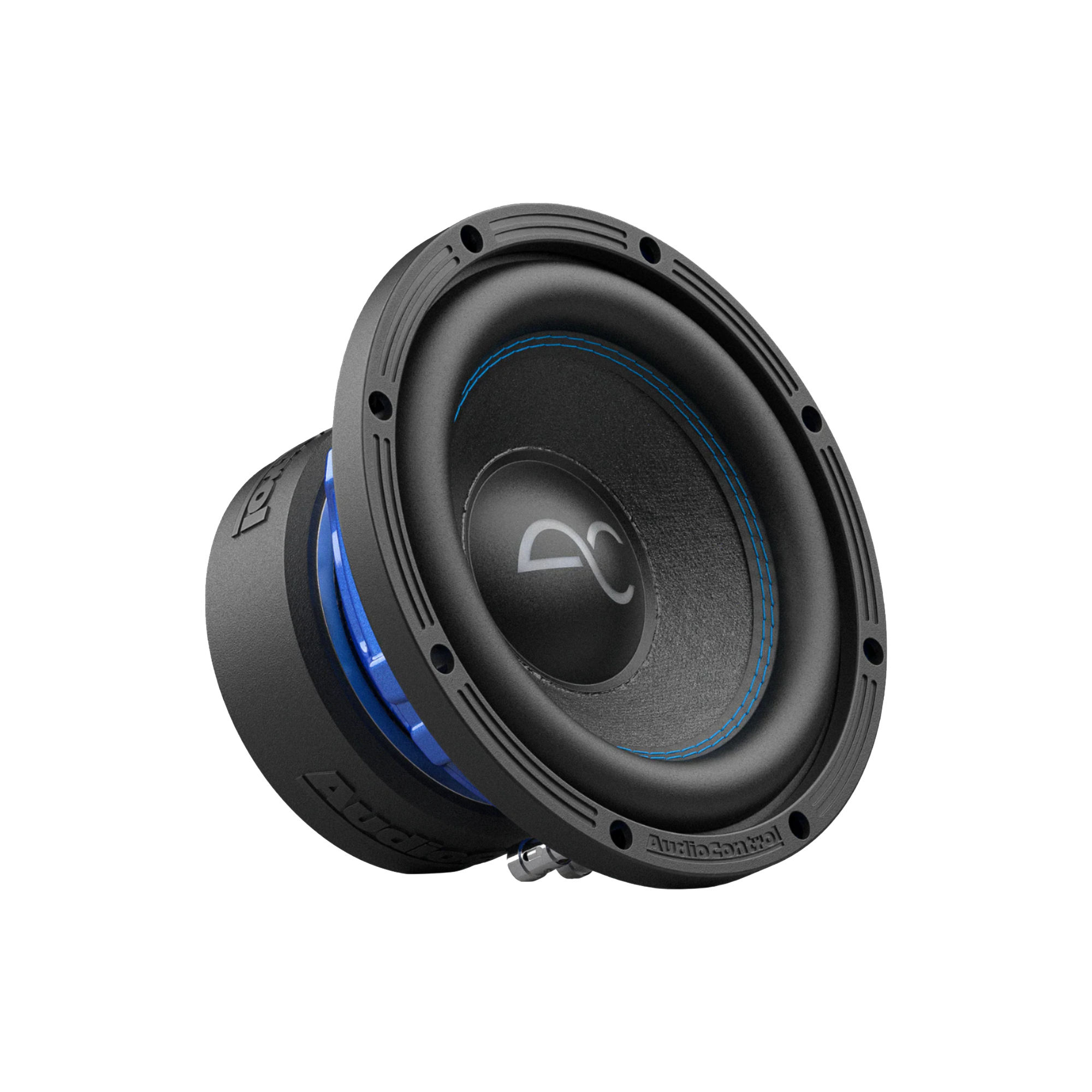
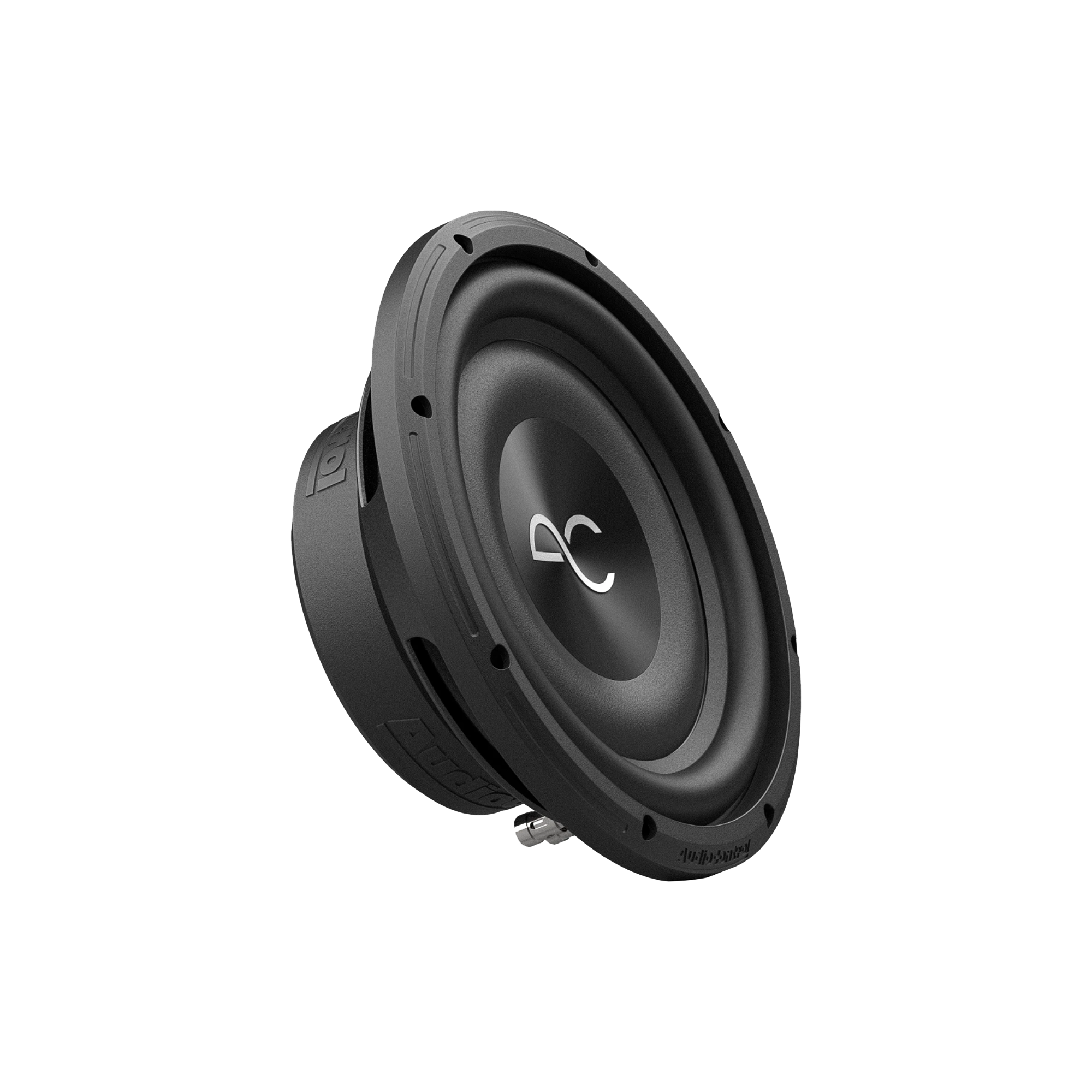
Spike Series 8" High-Performance Subwoofer, 350W RMS, 2/4 Ohms
We are proud to present the ultimate in versatility and durability with AudioControl's Spike...
$189.00
5 (1) -
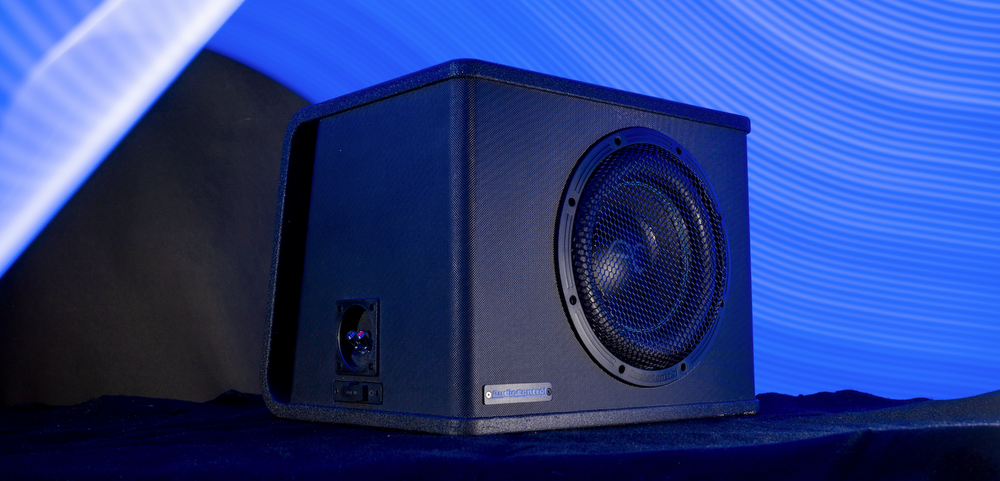
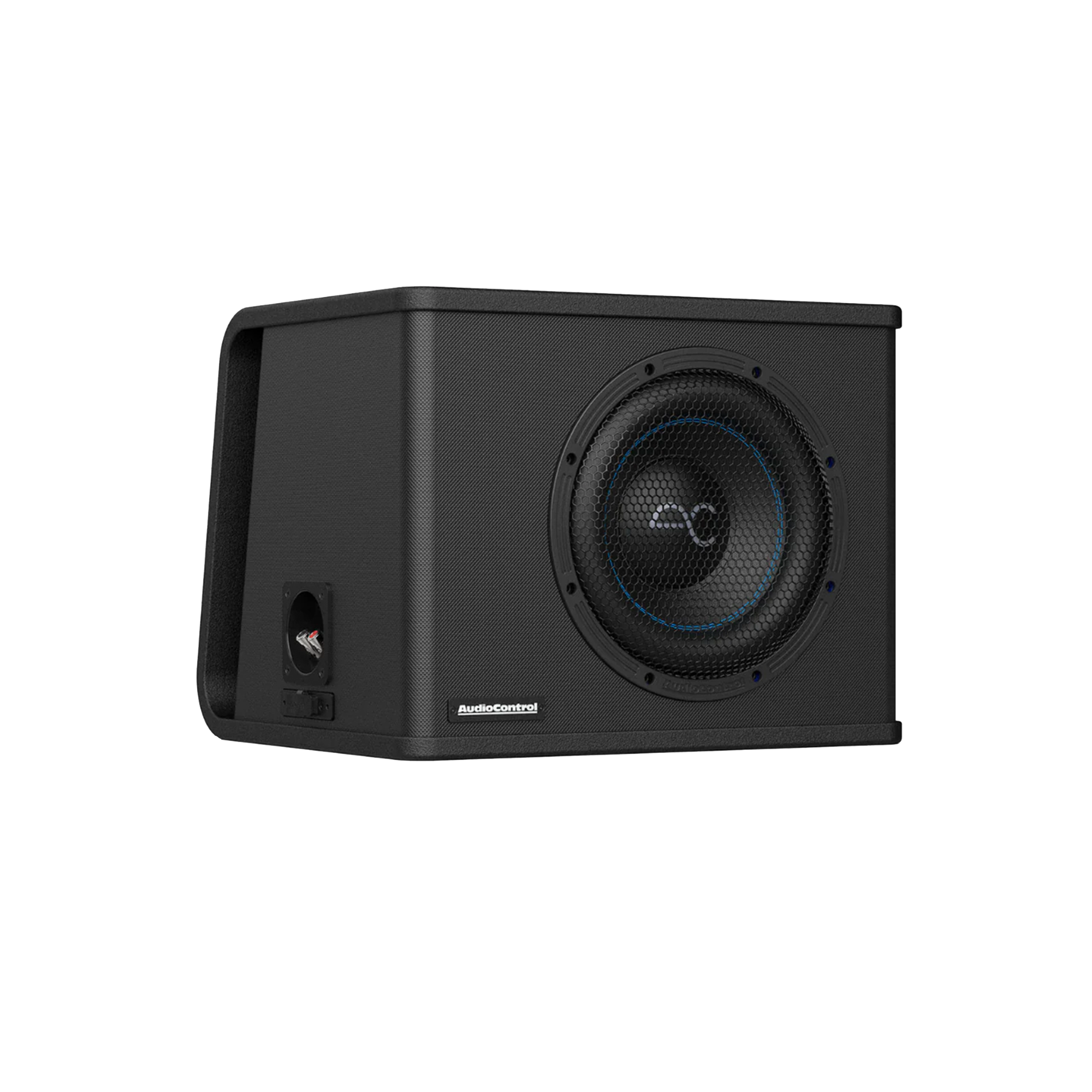
Spike Series Vented Subwoofer Enclosure, 350W/500W RMS | 8" 10" 12"
Designed to handle intense audio output, these premium vented loaded enclosures are built to...
$499.00
5 (2) -

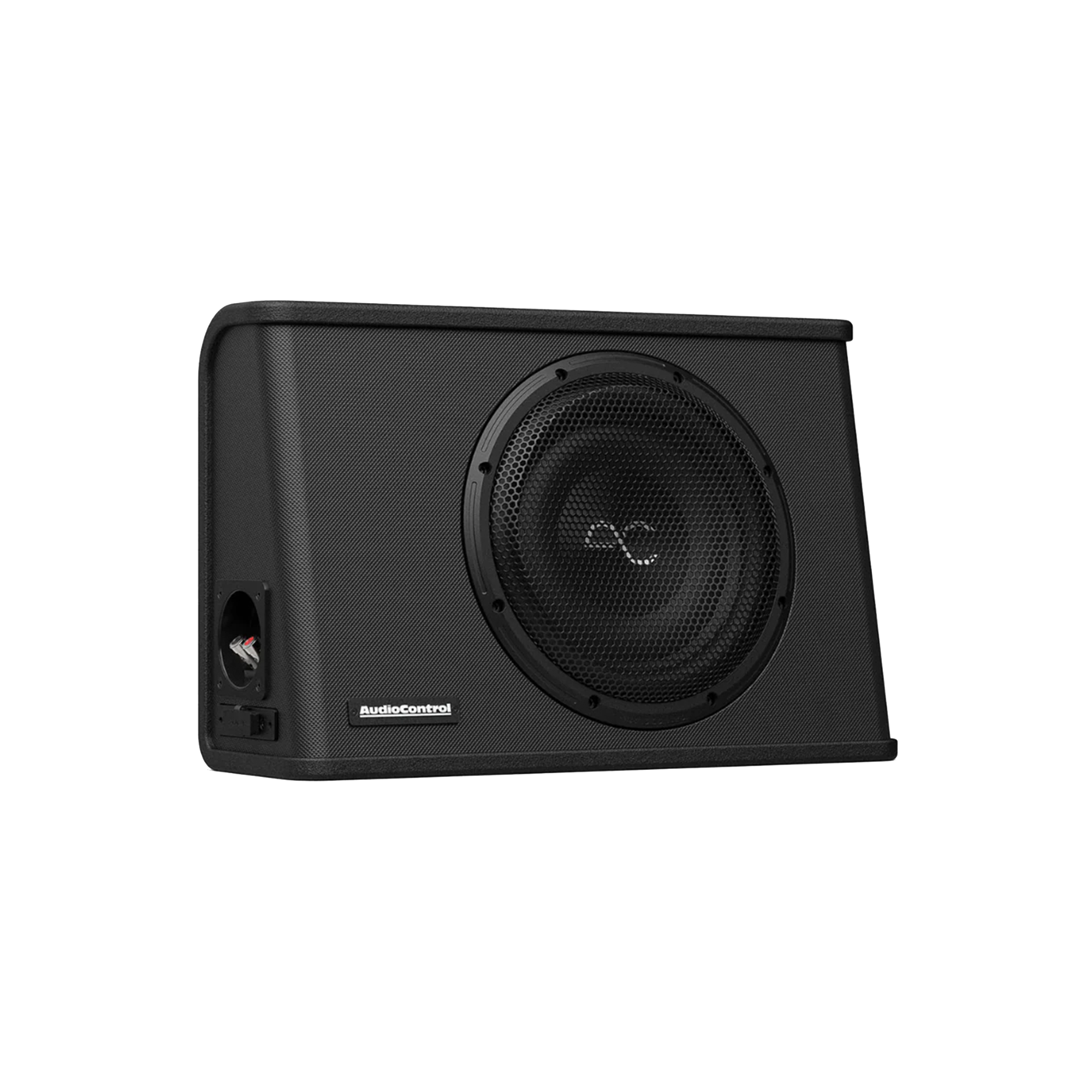
Spike Series 10" or 12" Loaded Subwoofer Enclosure Package
Experience deep bass with low distortion in the Spike Series Loaded Ported Subwoofer Enclosure...
$779.00

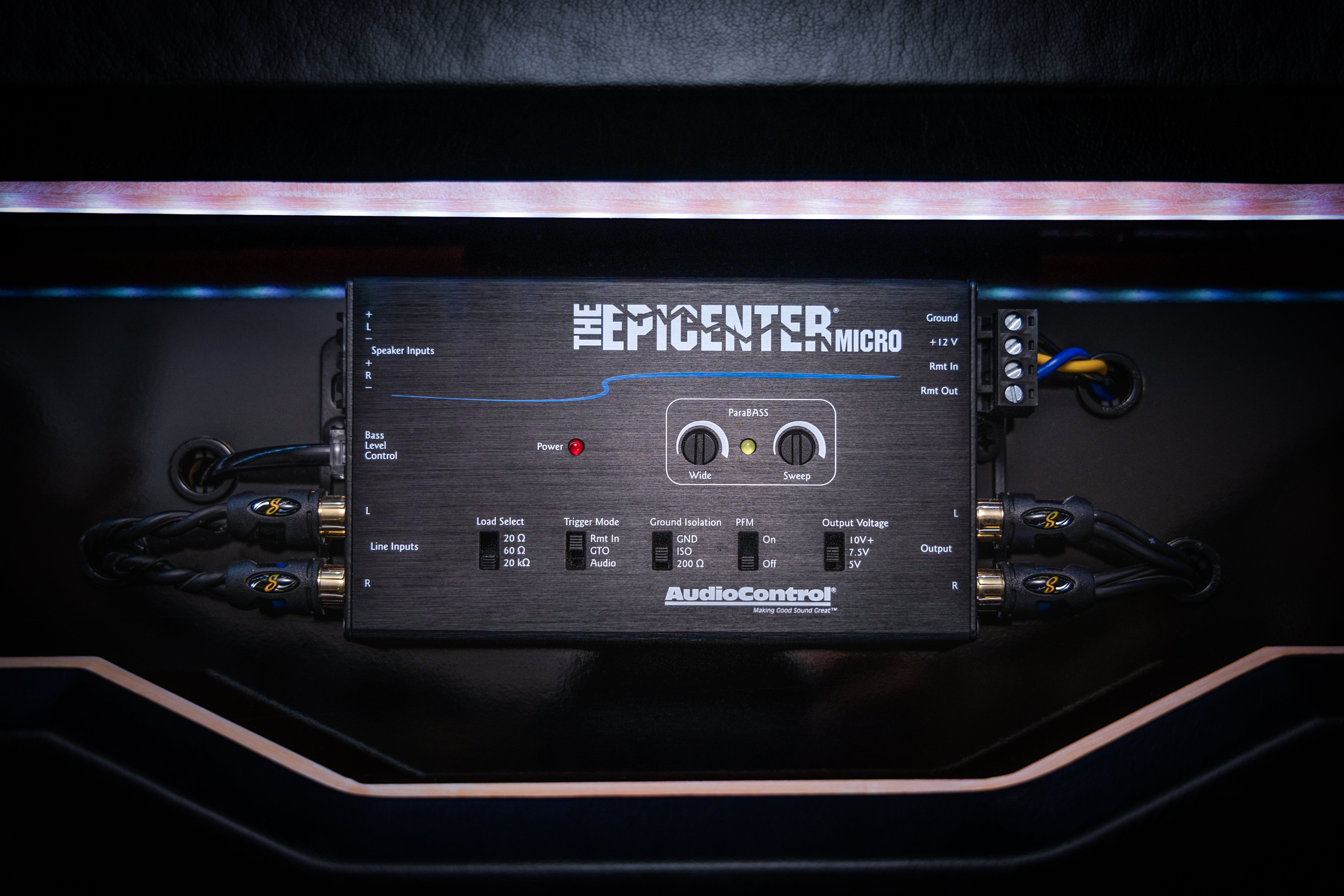
MEET THE EPICENTER®
MAX POWER. BASS THAT HITS.
The EPICENTER® bass restoration processors use patented technology to add next-level bass to any car audio system. Maximum output and crystal clear sound.

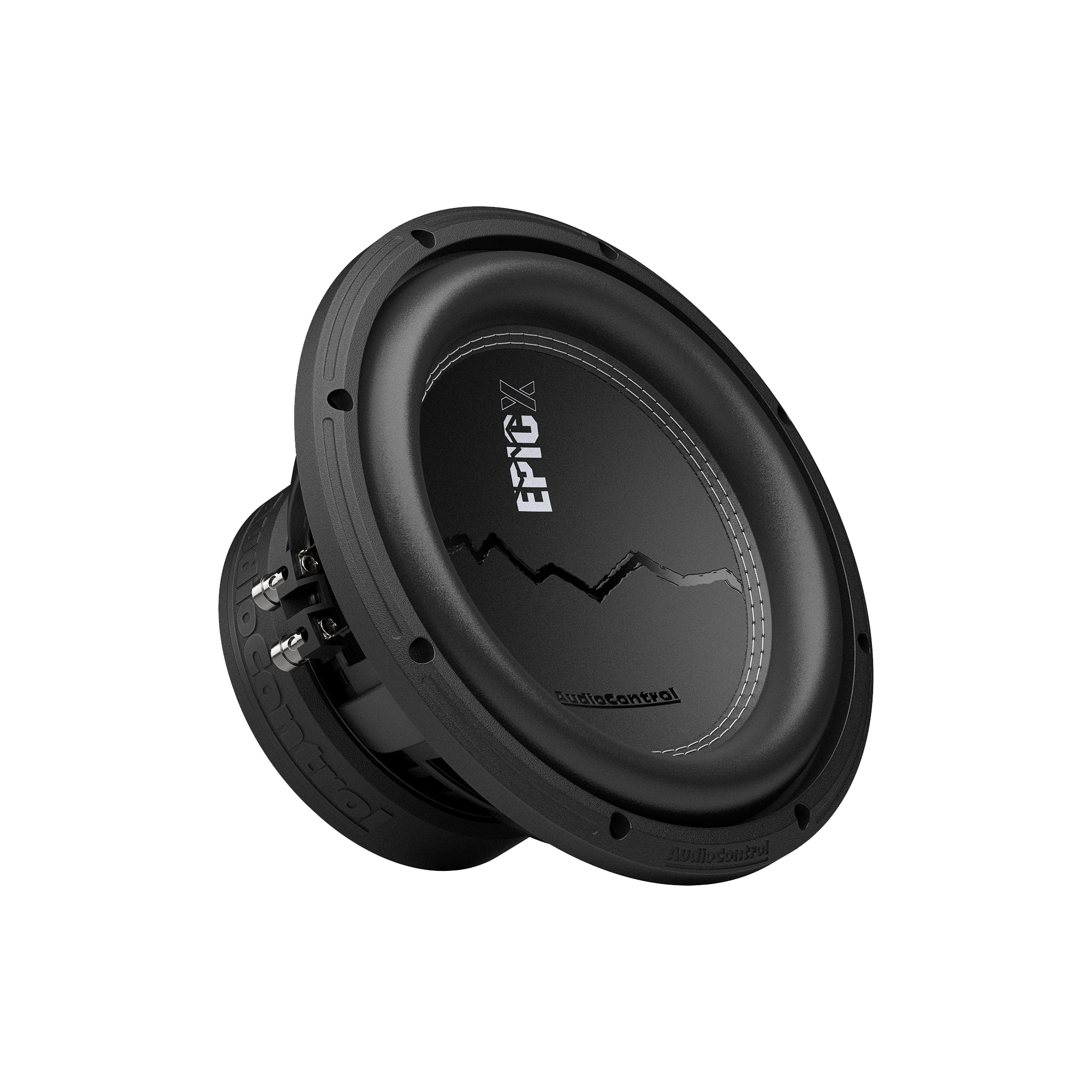
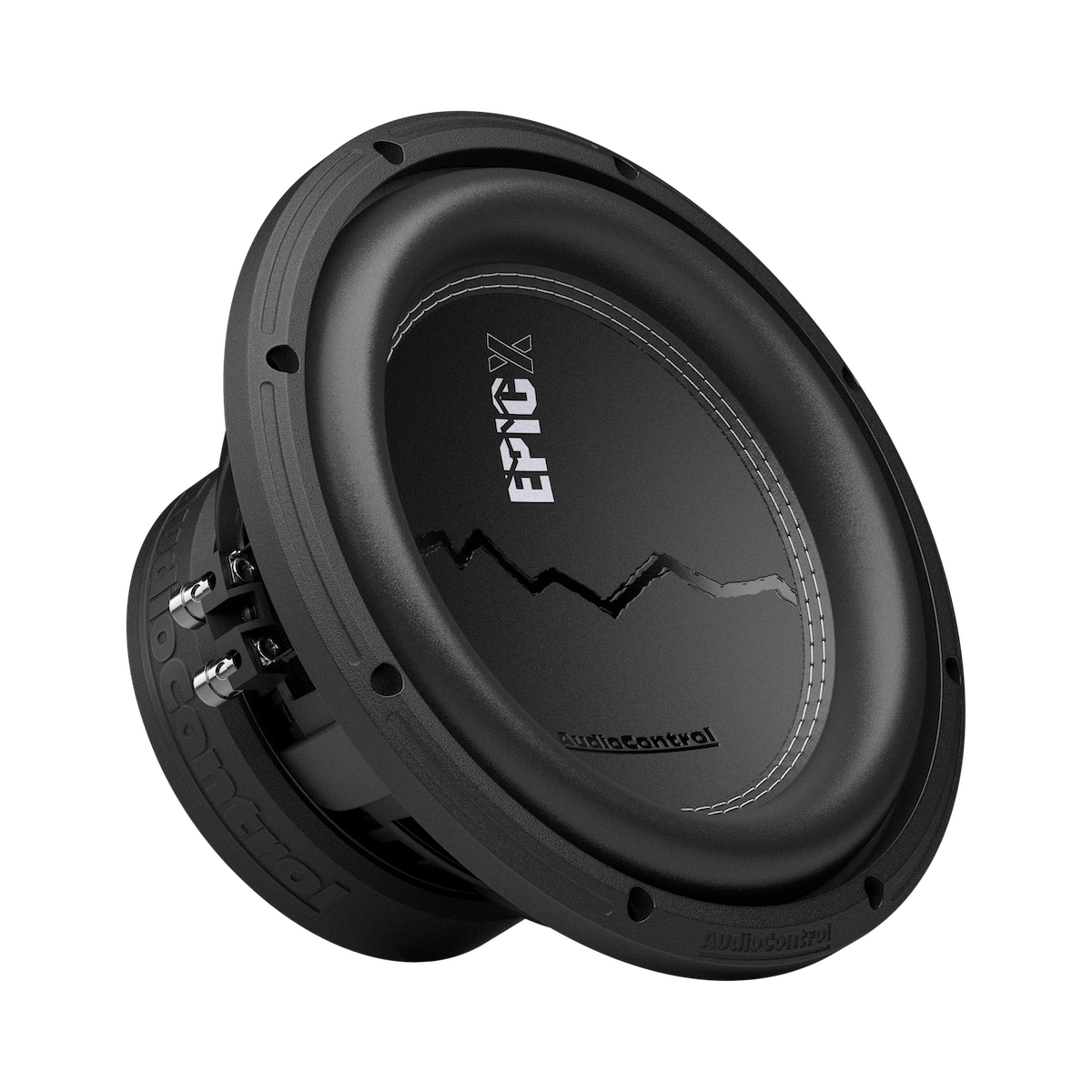
EPICX Series 10" Dual Voice Coil Subwoofer, 500W RMS, Dual 2/4 Ohms
Experience the perfect fusion of relentless output and refined audio quality with the all-new...
$155.00
SHOP SUBWOOFER ENCLOSURE PACKAGES
ONE KIT. EVERYTHING INCLUDED.

Space Series Loaded Sealed 10" or 12" Subwoofer Enclosure Package
Experience dynamic, impactful bass in a slim, compact box with the Space Series Loaded...
$779.00

Jeep Wrangler JK/JL 12" Swing Gate Loaded Subwoofer Enclosure Package
The Jeep Wrangler is an icon on the road and the trail, but its...
$949.00

Ford Bronco (2021-23) 12" Swing Gate Loaded Subwoofer Enclosure Package
The Ford Bronco is built for adventure, but its factory sound system falls flat...
$999.00

Ford F-150 (2015-23) / F-250/350 (2017+) Under Seat Dual 10" Loaded Enclosure Package
Ford F-150 (2015-23) / F-250/350 Super Duty (2017+) Under Seat Dual 10" Sealed Loaded...
$1,599.00

Chevy Silverado/GMC Sierra (2019+) Under Seat Dual 10" Loaded Enclosure Package
Compatibility Chevy Silverado/GMC Sierra 1500 (2019+) Chevy Silverado/GMC Sierra 2500/3500 Crew Cab (2020+) Experience...
$1,699.00

Chevy Silverado/GMC Sierra (2014-18) Under Seat Dual 10" Loaded Enclosure Package
Compatibility Chevy Silverado/GMC Sierra 1500 (2014-18) Chevy Silverado/GMC Sierra 2500/3500 (2014-19) Your Chevy Silverado...
$1,549.00

RAM (2002-25) Under Seat Dual 10" Sealed Loaded Subwoofer Enclosure Package
RAM Under Seat Dual 10" Sealed Loaded Subwoofer Enclosure Package
$1,599.00
SHOW US YOUR BUILD
TAG #AUDIOCONTROL TO GET FEATURED.
FAQs
-
Choosing the right car subwoofer begins with determining your available space and desired bass intensity, as these factors dictate whether you should opt for a compact 8-inch driver or a high-output 12-inch model. Once you have selected a size, you must match the subwoofer's RMS power handling—not its "peak" power—to the output of your amplifier at a specific impedance, such as 2 ohms or 4 ohms to ensure safe and efficient performance. Additionally, consider the type of subwoofer enclosure you plan to use, as a sealed box will provide tight, accurate musical notes, while a ported (vented) box will deliver maximum volume and "boom" for genres like hip-hop or EDM.
-
Adding a subwoofer to your vehicle is essential because standard car speakers are physically incapable of accurately reproducing the lowest frequencies of the audio spectrum, typically those below 80 Hz. By introducing a dedicated subwoofer, you offload the demanding task of moving large volumes of air to a driver designed specifically for that purpose, which instantly adds depth, warmth, and physical impact to your music. This not only allows you to feel the resonance of a kick drum or the rumble of a bass guitar but also improves the overall clarity of your entire system, as your smaller door speakers are no longer strained by trying to play deep bass notes.
-
To choose the right subwoofer for your amplifier, you must perfectly align the subwoofer's RMS power rating with the amplifier’s output and ensure their impedance (ohms) is compatible. Ideally, you should select a subwoofer whose RMS power handling matches or slightly exceeds the amplifier’s continuous output at a specific load to prevent thermal failure or clipping. Pay close attention to the amplifier's specifications at different impedances—for example, if your mono amp produces 500 watts at 2 ohms, you should look for a 2 ohms dual-voice-coil subwoofer (wired in parallel) or a single 2 ohms driver that can safely handle that wattage. Matching these technical specs ensures your system operates with maximum efficiency, delivering clean, impactful bass without risking damage to your hardware.
-
Car subwoofers come in several standard sizes, each offering a different balance between physical footprint and acoustic output. The three most common sizes are 8, 10, and 12 inches. 15 inches is also available but not as commonly used.
8-inch subwoofers are the smallest common size, ideal for tight spaces and providing quick, punchy bass that complements factory systems without overwhelming them.
10-inch subwoofers are often considered the "sweet spot" for many enthusiasts, offering a versatile blend of speed for rock music and enough surface area to hit deeper notes in hip-hop.
12-inch subwoofers are the most popular choice for those seeking high output and "cabin-shaking" bass, as they move significantly more air but require larger enclosures.
-
Neither impedance is inherently "better" than the other; rather, the choice depends entirely on how much power you want to extract from your amplifier. A 2 ohm subwoofer has less electrical resistance, which allows most modern car amplifiers to output significantly more wattage—often nearly doubling the power compared to a 4 ohm load. This makes 2 ohm configurations ideal for those seeking maximum volume and efficiency from a single-channel (monoblock) amp. On the other hand, a 4 ohm subwoofer provides more resistance, which generally results in a cooler-running amplifier and can offer slightly better "damping factor" or control over the speaker cone, which some audiophiles prefer for sound quality. Ultimately, you should choose the impedance that allows your specific amplifier to reach its optimal RMS power rating without exceeding its stability limits.
-
The primary difference between sealed and ported subwoofer enclosures lies in the trade-off between musical accuracy and sheer volume. A sealed enclosure is an airtight box that uses internal air pressure as a "spring" to control the subwoofer's movement, resulting in tight, precise bass with a flat frequency response that is ideal for critical listening and genres like rock or jazz. In contrast, a ported (or vented) enclosure features a tuned opening that uses the back-wave of the speaker cone to reinforce the front-wave, significantly increasing the overall output and efficiency at specific low frequencies. While ported boxes are much larger and offer the deep, "boomy" bass favored for hip-hop and EDM, they sacrifice some transient response and "tightness" compared to the compact and more accurate sealed design.
-
The subwoofer box enclosure is arguably as important as the driver itself because it serves as the "acoustic engine" that determines how the speaker interacts with the air to produce sound. Without a box, the sound waves from the front and back of the cone would cancel each other out, resulting in almost zero audible bass; the enclosure prevents this cancellation while providing the necessary internal air pressure to control the woofer's movement. Beyond just housing the speaker, the specific volume, shape, and design (sealed vs. ported) of the box dictate the system's efficiency, frequency response, and overall "tightness" or "boominess." A poorly designed or improperly sized enclosure can make even a high-end, expensive subwoofer sound muddy and distorted, whereas a scientifically optimized box can make an entry-level subwoofer perform with surprising depth and clarity.
-
An underseat subwoofer is an excellent solution for listeners who want to enhance their factory audio system without sacrificing valuable trunk or cargo space. These units often feature shallow-mount drivers, making them easy to install and ideal for adding much-needed warmth and "punch" to your music in a compact form. While they cannot produce the ultra-low frequencies of large 12-inch or 15-inch subwoofers, their proximity to the listener allows you to feel the bass physically, creating a much more immersive experience than door speakers alone.
-
It depends entirely on how you define "hard," as both sizes offer distinct performance advantages. Generally, a 12-inch subwoofer has roughly 40% more surface area than a 10-inch model, allowing it to move more air and produce deeper, more effortless low-end extension that provides that "heavy" feeling in your chest. However, a 10-inch subwoofer is often perceived as hitting "harder" in terms of transient response and "tightness" because its smaller, lighter cone can stop and start more quickly, making it feel more impactful and punchy for fast-paced music like rock or metal. Ultimately, the 12-inch sub will almost always win in sheer volume and depth, while the 10-inch sub often wins in accuracy and "kick," but the design of the enclosure and the power of the amplifier will ultimately have a greater impact on the final result than the size of the driver alone.