The EPICENTER
The EPICENTER is the ORIGINAL Bass Restoration Processor. The centerpiece of many champion sound installation systems, The EPICENTER detects bass harmonics, then digitally recreates the underlying fundamental for the incredible punch and impact of live music.
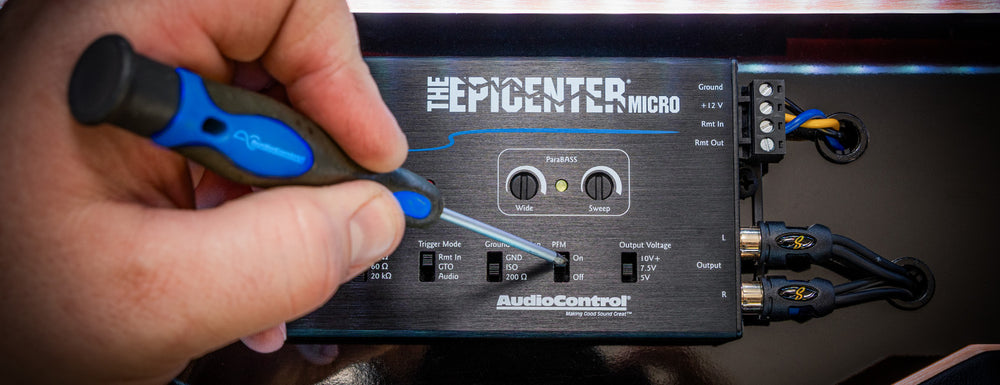
Showing 5 products
-
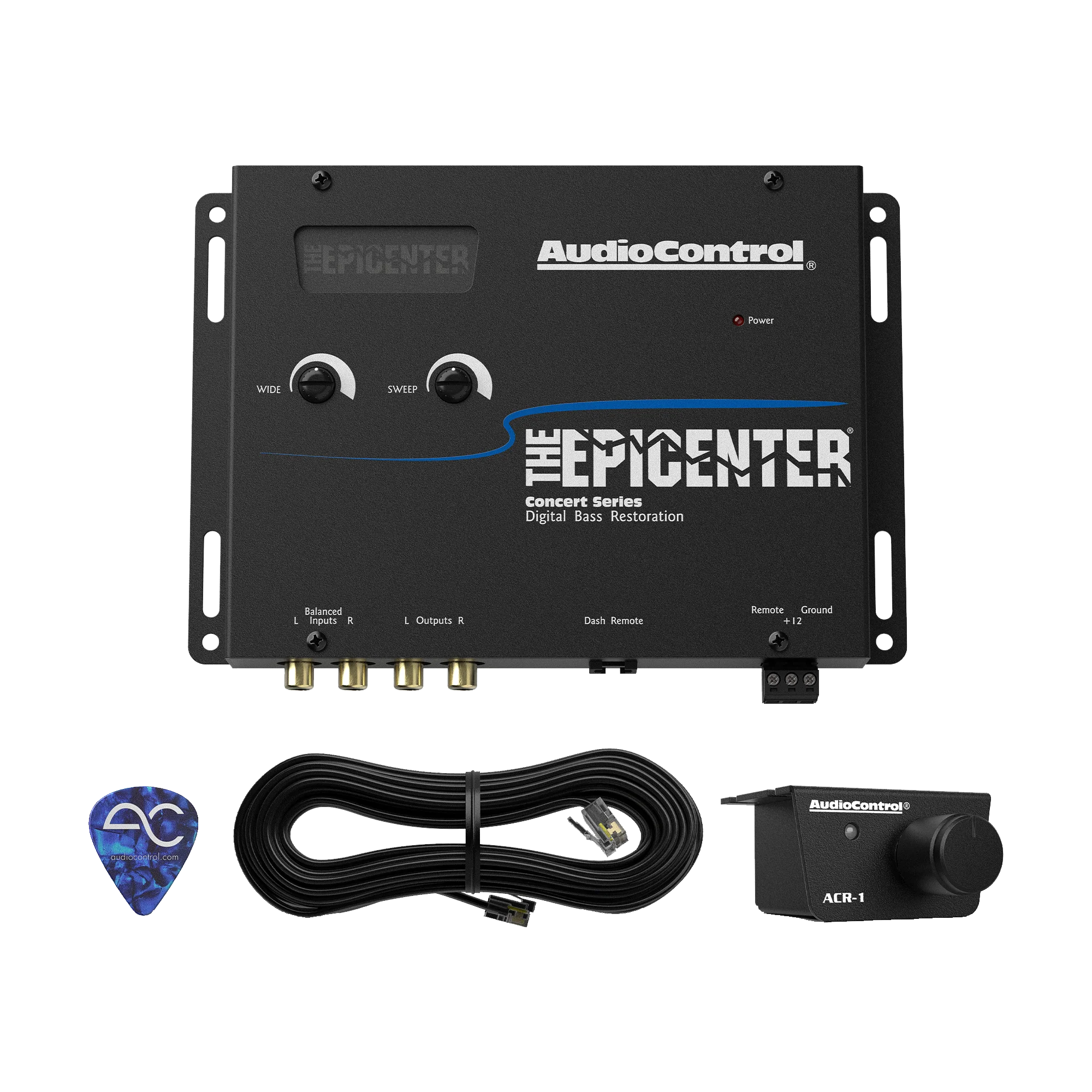
The EPICENTER Bass Restoration Processor
Increase bass response from your vehicle’s audio system with The EPICENTER Concert Series Digital...
$149.00
5 (7) -

The EPICENTER PRO Bass Restoration Processor & Line Driver
The EPICENTER PRO delivers enhanced control for serious bass enthusiasts. Balanced inputs with a...
$199.00
4.7 (3) -

The EPICENTER Bass Restoration Processor (Mexico Edition)
The EPICENTER has been revolutionizing the world of music by delivering powerful bass to...
$199.00
5 (1) -
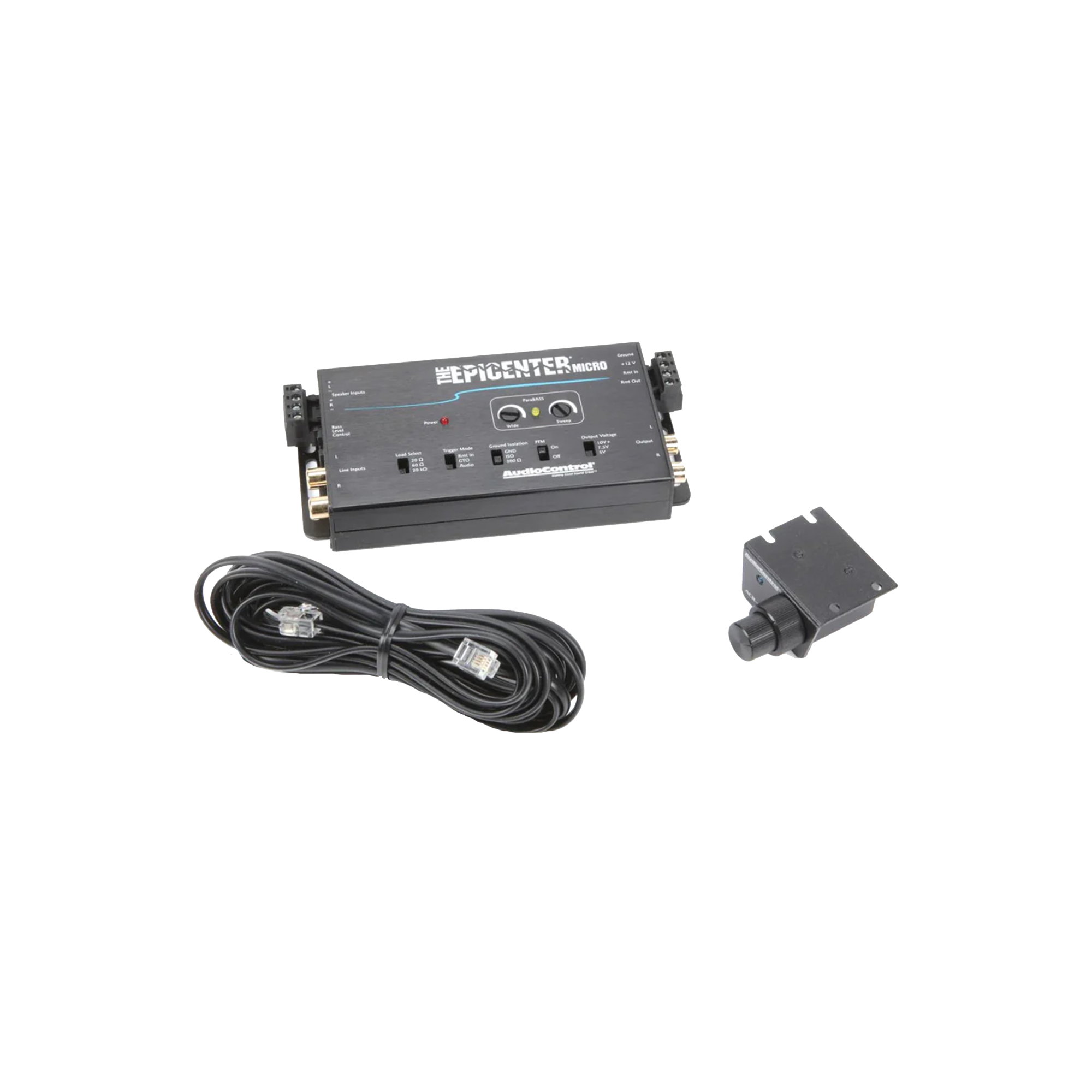
The EPICENTER Micro Bass Restoration Processor & Line Output Converter
The EPICENTER Micro combines AudioControl’s legendary digital bass restoration with world-renowned OEM integration capabilities....
$199.00
0 (0) -
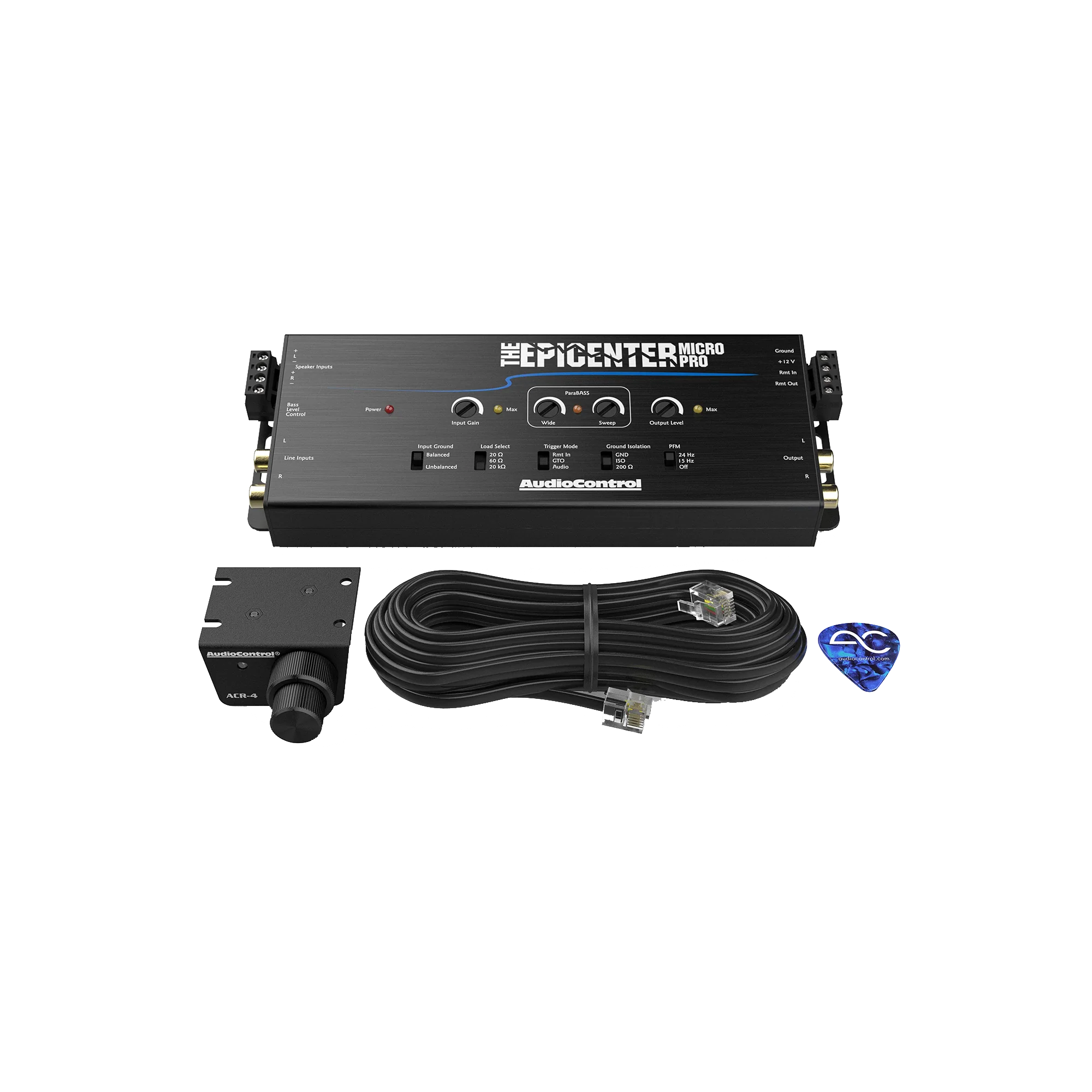
The EPICENTER Micro PRO Bass Restoration Processor & Line Output Converter
Building on the powerful features of The EPICENTER Micro and everything you have come...
$229.00
5 (1)


Bass in Your Face
The EPICENTER recreates missing bass tones and transmits this low-frequency information back into the signal path, letting your bass hit where you want it.

EPICENTER Link
Seamlessly connect any EPICENTER with an EPIC Monoblock, EPICFIVE, or EPICBIGFOUR amplifier for an unbeatable bass experience.

Para-BASS
Para-Bass is a parametric equalizer used to fine-tune bass response by allowing you to select a center frequency and adjust its width to sculpt the bass for your music and vehicle acoustics.

ACR-1 Dash Remote Control
Adjust the bass output from the comfort of your driver's seat.
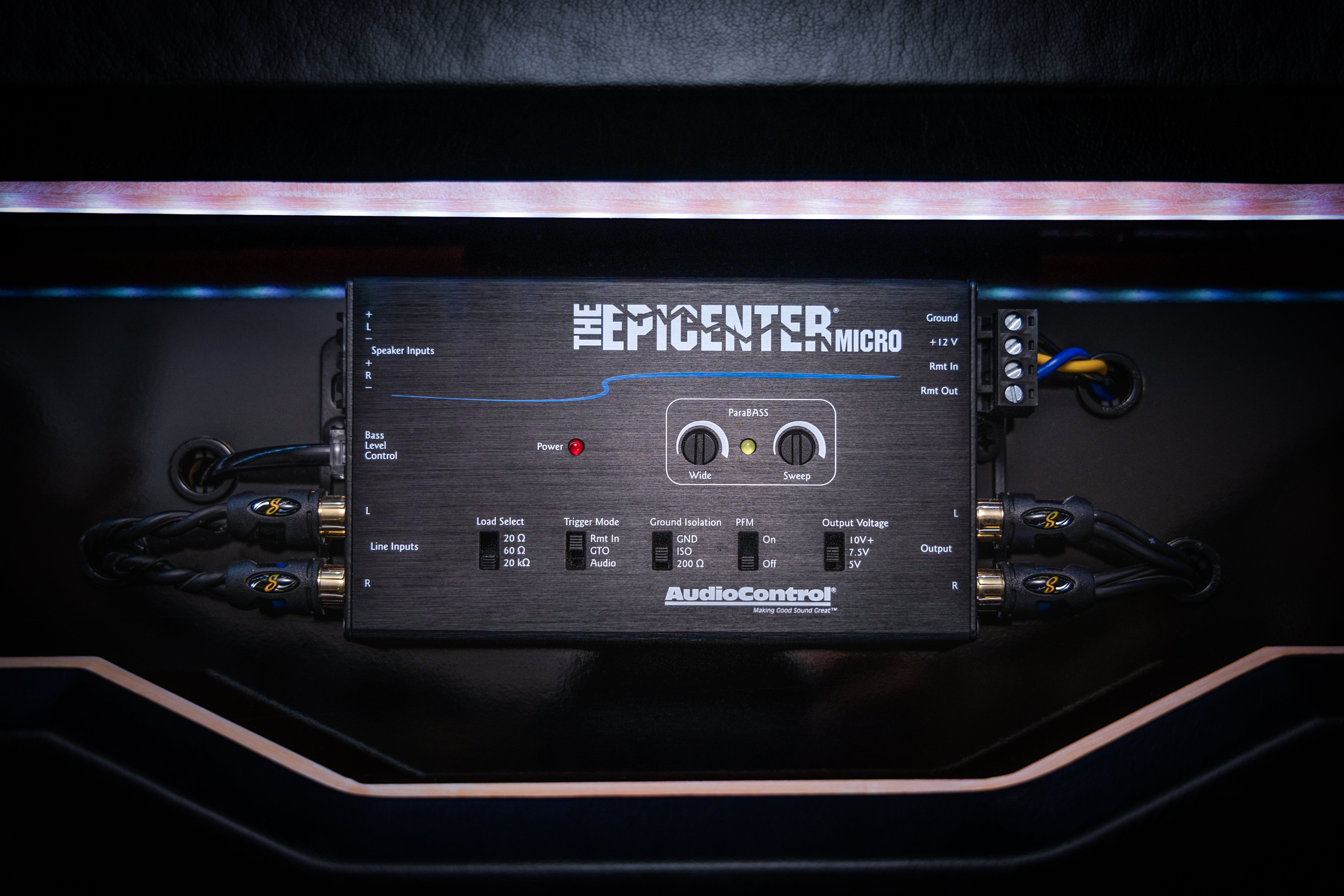
MEET THE EPICENTER®
SEISMIC SOUND. BASS THAT HITS.
EPICENTER® bass restoration processors use patented technology to add next-level bass to any car audio system. Maximum output and crystal clear sound.

DISCOVER THE NEW EPIC PRO SPEAKERS
Because loud is just the beginning. EPIC Pro speakers are engineered to project sound far and wide with refined accuracy. Whether it’s a live set or a studio track, these speakers deliver big performance with serious efficiency.
$109.00
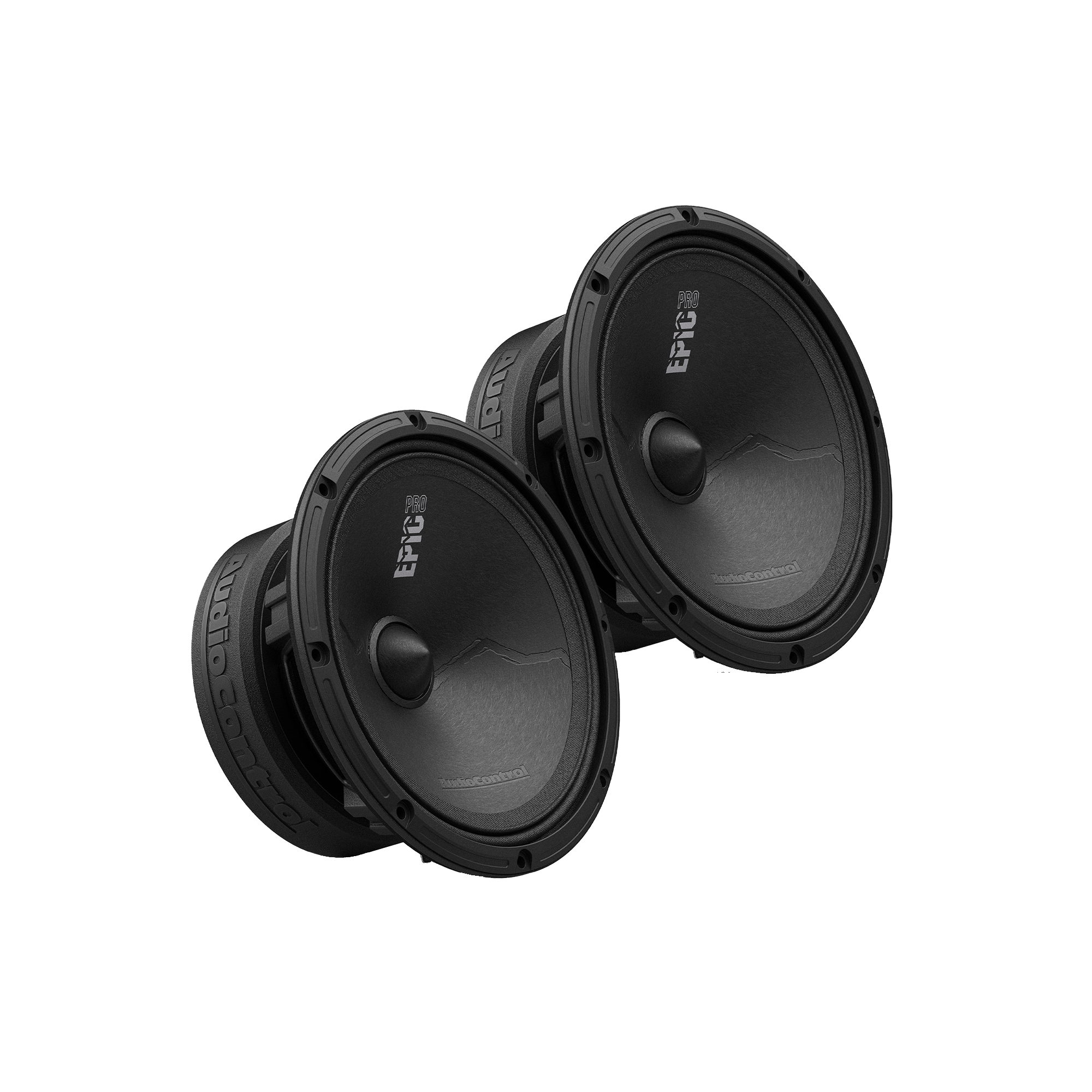
EPICPRO6X 6.5" Midrange Speakers, 200W RMS, 4 Ohms (Pair)
Loud is just the beginning. EPIC PRO speakers are engineered to project sound far...
$109.00
SHOP SUBWOOFER ENCLOSURE PACKAGES
ULTIMATE BASS regardless of space
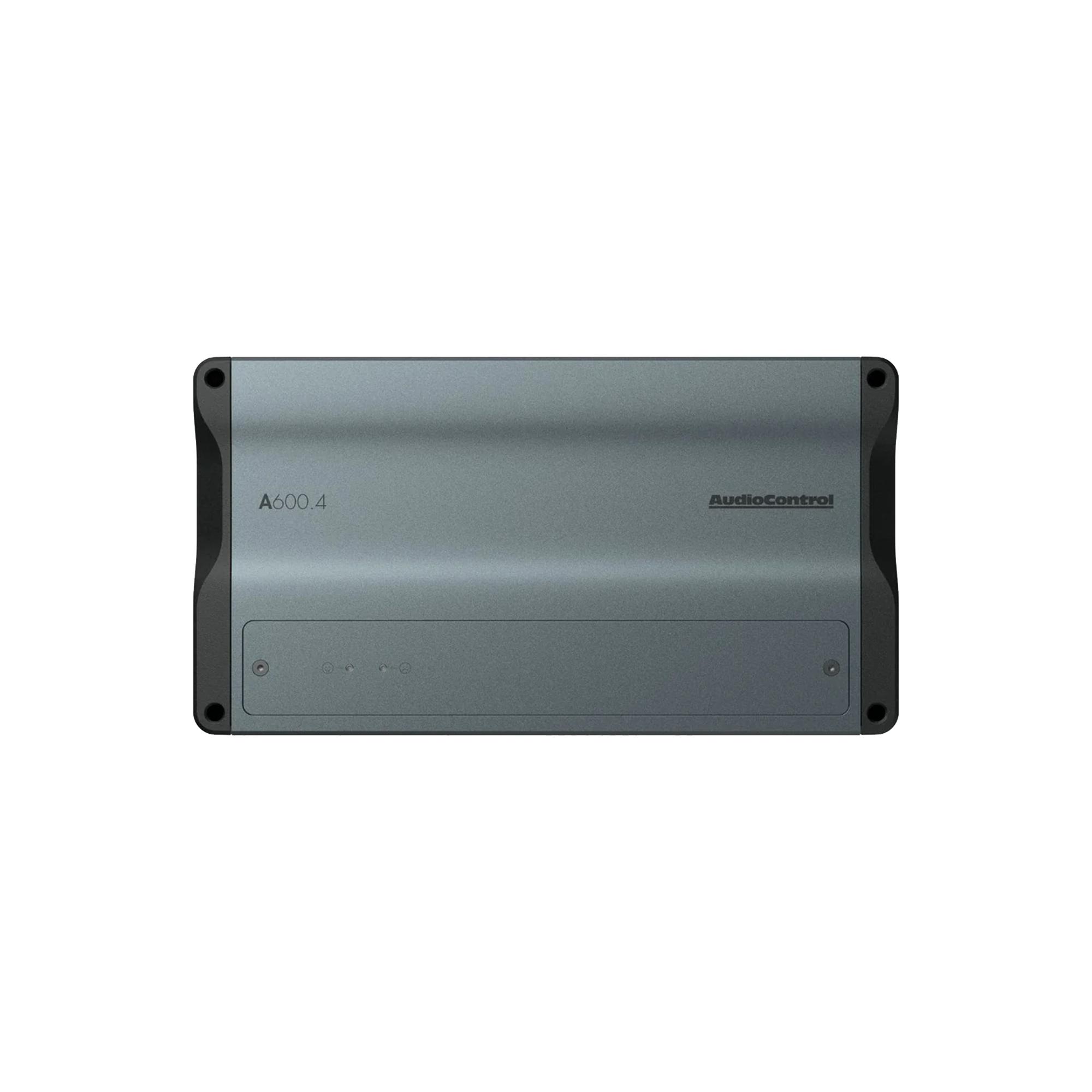
A600.4 Altitude 4-Channel Amplifier, 600W RMS
Elevate your audio experience with AudioControl’s Altitude Amplifier Series, designed from the ground up...
$299.00 $319.00
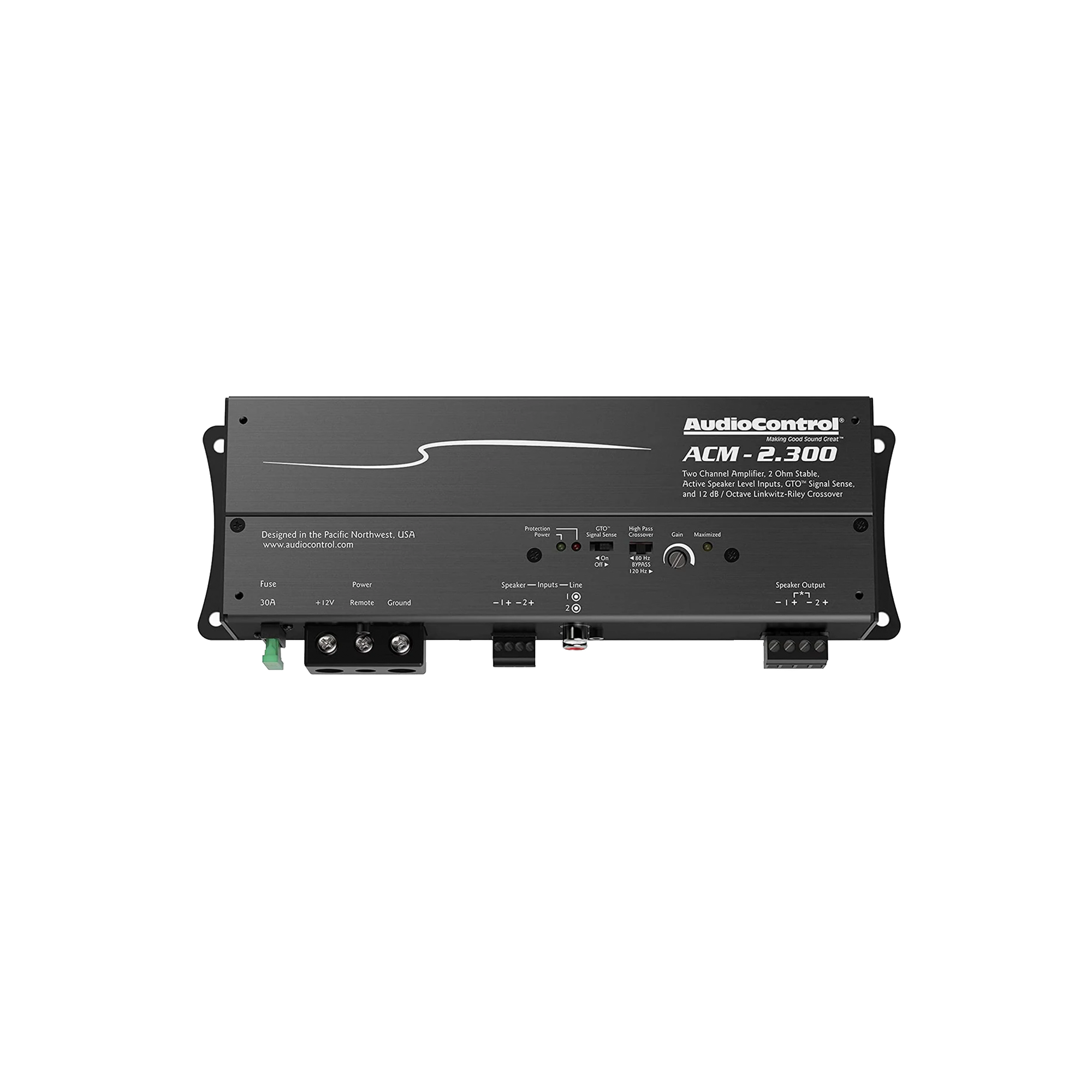
ACM-2.300 2-Channel Micro Amplifier, 300W RMS
ACM series amplifiers by AudioControl are the perfect blend of power and features for...
$329.00
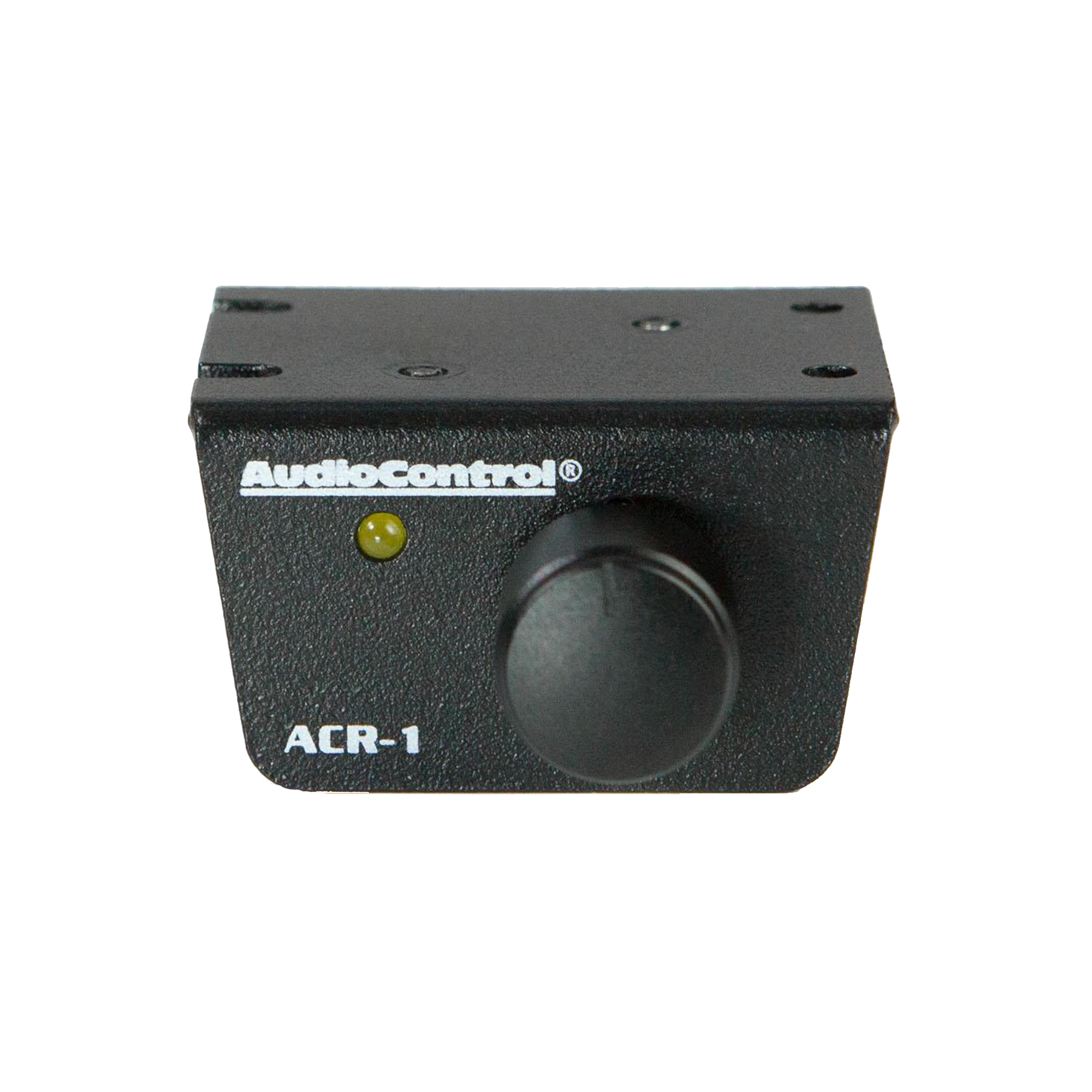
Compatible with The EPICENTER, LC2i, LC2i Pro, LC5i Pro, LC6i, LC7i, LC7i Pro, Matrix...
$29.00
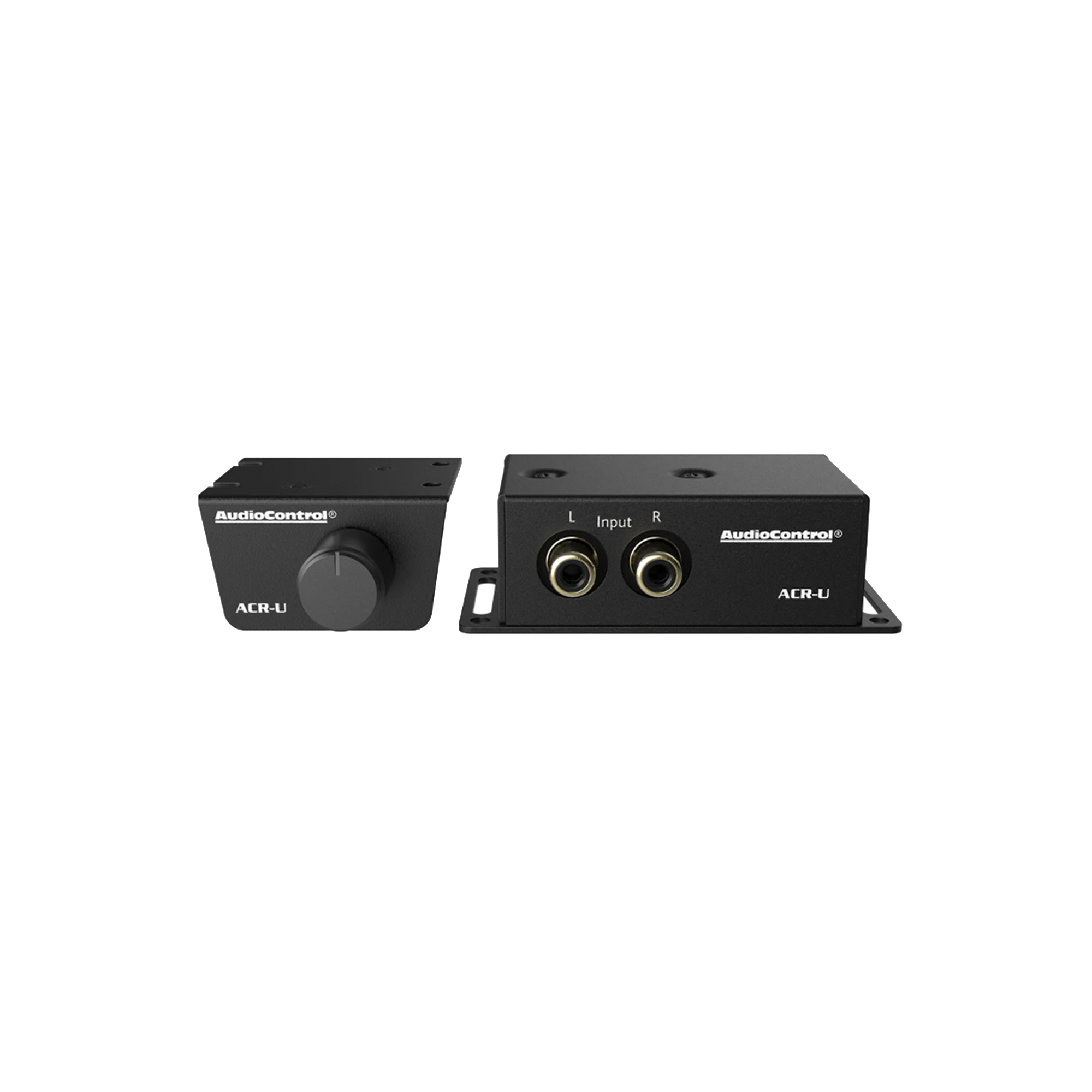
The ACR-U is a universal remote level control that can be inserted into any...
$81.99 $99.99
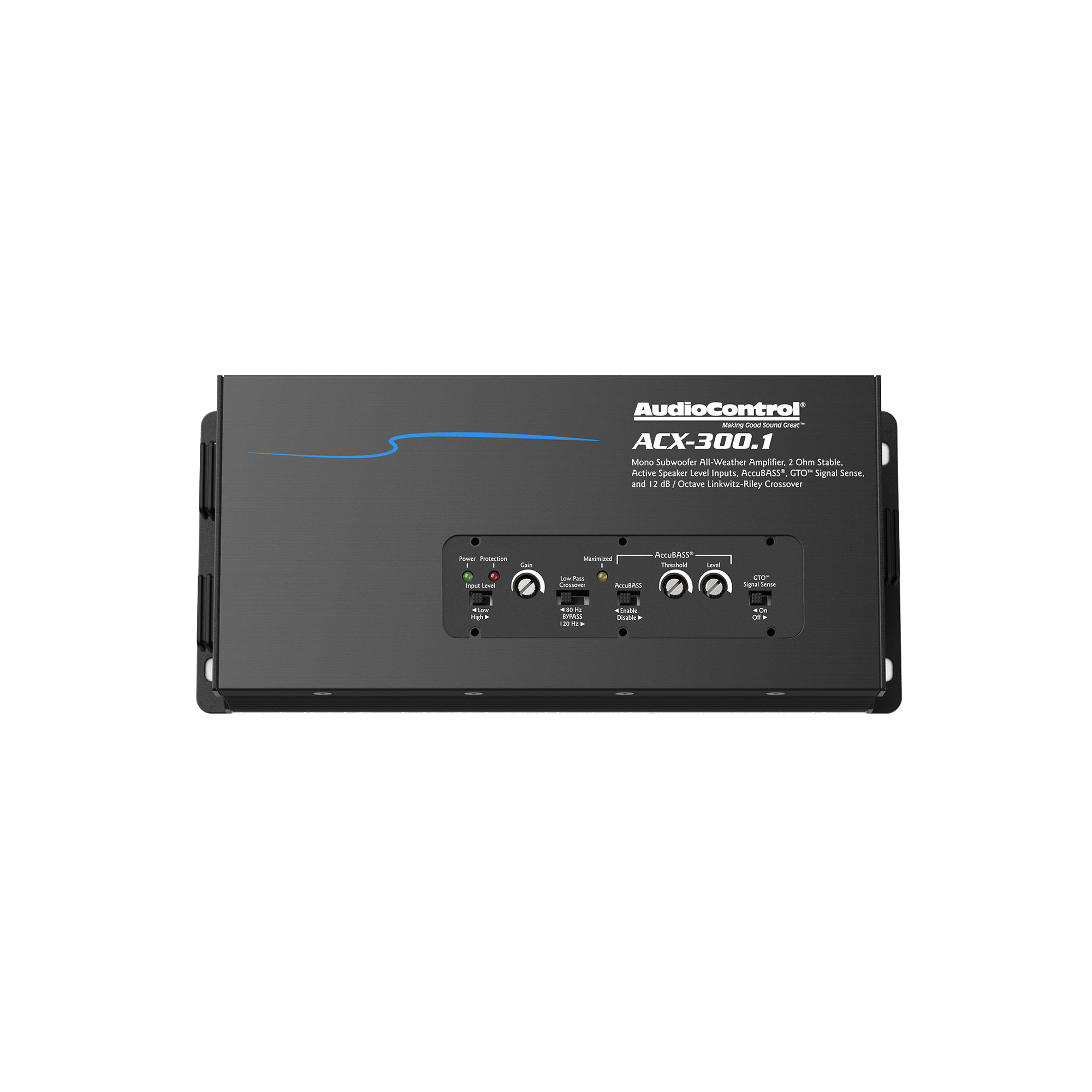
ACX-300.1 All-Weather Monoblock Amplifier, 300W RMS
AudioControl’s ACX All-Weather Amplifiers are rated IPX6 waterproof to withstand the harsh outdoor elements....
$339.00
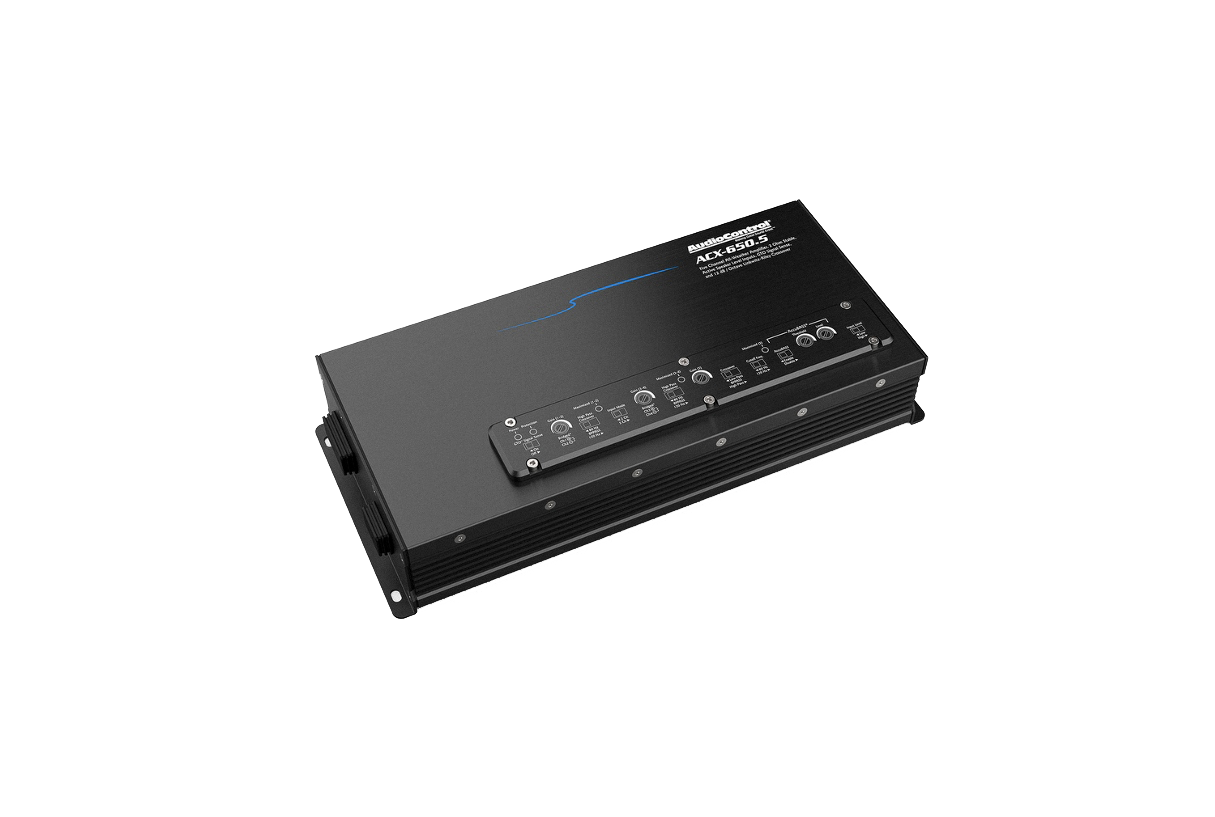
ACX-650.5 All-Weather 5-Channel Amplifier, 650W RMS
AudioControl’s ACX All-Weather Amplifiers are rated IPX6 waterproof to withstand the harsh outdoor elements....
$599.99
SHOW US YOUR BUILD
TAG #AUDIOCONTROL TO GET FEATURED.
FAQs
-
Bass restoration, achieved through a processor such as The EPICENTER, is a technology designed to rebuild the low-frequency signals that are often filtered out or compressed during the recording process or by factory head units. Many modern car stereos automatically roll off the bass as the volume increases to protect cheap factory speakers, resulting in a thin, lifeless sound even after you've added a high-quality subwoofer. A bass restoration processor digitalizes the incoming signal, identifies the harmonics of the missing bass notes, and then re-synthesizes a clean, deep low-end wave that wasn't there before. This process is particularly beneficial for listeners of older recordings, classic rock, or compressed digital files, as it restores the physical impact and "rumble" that would otherwise be lost.
-
No, bass restoration is technically different from bass boosting, as the former creates new signals while the latter merely amplifies existing ones. A bass boost acts like a focused equalizer, taking the low frequencies already present in the audio track and increasing their volume, which can often lead to distortion or "muddy" sound if the original signal is weak or clipped. In contrast, bass restoration uses digital processing to analyze the music's harmonics and re-synthesize entirely new low-frequency waves that were lost during compression or removed by factory radio safeguards. While a boost makes what you have louder, bass restoration adds back what is missing, making it a much more sophisticated tool for achieving deep, clean sub-bass in systems where the source material is lacking. However, bass restoration can be viewed as a bass booster in the sense that it "boosts" bass by adding bass that is not there.
-
Setting The EPICENTER requires a careful balance between the input gain and the "Sweep" and "Wide" controls to ensure the bass is both impactful and musical. For a more in-depth tutorial, please see this EPICENTER article.
-
In a professional car audio signal chain, The EPICENTER should always be placed before the equalizer. Because The EPICENTER is a bass restoration processor that digitally creates new low-frequency information by analyzing the music's harmonics, it effectively adds "new" sound to the signal. By placing it before the equalizer, you ensure that you have full control over the newly generated bass, allowing you to use the EQ to fine-tune or cut any frequencies that might become overwhelming or muddy after the restoration process. If you were to place it after the EQ, any adjustments you made to the bass frequencies on your equalizer would be bypassed or altered by the restoration logic, making it much harder to achieve a clean, balanced, and distortion-free output.
-
You will want to send a full range signal to The EPICENTER. Due to how The EPICENTER creates the low frequencies, it needs to see a full range signal. If you just send The EPICENTER a subwoofer signal, say 120 Hz and below, it will likely sound garbled, or muffled, not very defined. If you are using The EPICENTER with an aftermarket head unit that has a subwoofer output, and if it is possible to defeat the low pass crossover so that the subwoofer output is sending full range signal, then you could connect the sub output of the head unit to the inputs of The EPICENTER.
Also, the Epicenter needs to be in the audio signal path before any EQ’s and crossovers in the system.
-
To increase the bass in a vehicle, you can start by optimizing your existing system's settings, ensuring the "Loudness" feature is active and the equalizer's low-end frequencies (around 60Hz to 100Hz are boosted, though you should avoid maxing out the "Bass Boost" to prevent distortion. For a physical upgrade, the most effective method is adding a dedicated subwoofer in a properly matched enclosure, paired with an external amplifier that provides sufficient RMS power to drive the woofer cleanly. If you already have a subwoofer but want more impact, switching from a sealed to a ported enclosure can significantly increase output, while adding sound-deadening material to the trunk and door panels will reduce rattles and keep the acoustic energy focused inside the cabin. Finally, you can add The EPICENTER to your aftermarket system to really get the most out of the system's bass.